


How to protect a vertical platform lift outside in Sacramento
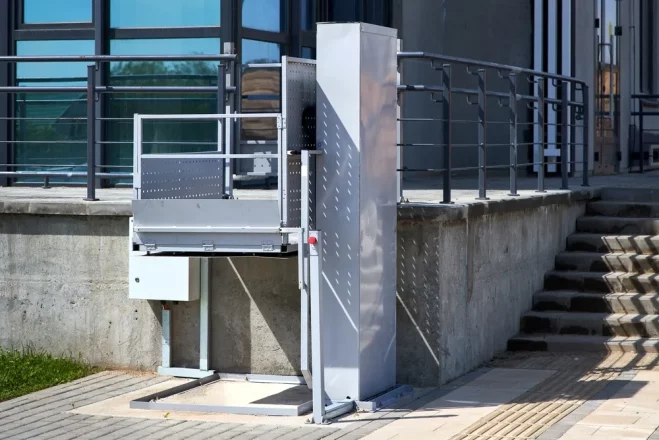
Table of Contents
Sacramento’s weather might seem mild compared to the rest of the country, but outdoor mobility equipment still takes a beating from summer heat, valley fog, and the occasional soaking rain. If you have an outdoor vertical platform lift, a little routine care goes a long way toward keeping it safe and reliable. Good vertical platform lift weather protection doesn’t have to be complicated — it just has to be consistent.
Key Takeaways
- Sacramento’s heat, tule fog, and winter rain are the biggest threats to outdoor vertical platform lifts
- Keeping the platform, tracks, and mechanical parts clean and lubricated is the most important thing you can do
- A quality cover protects your lift when it’s not in use, especially during wet winters and dusty summers
- Annual professional inspections catch small problems before they turn into costly repairs or safety issues
What Sacramento’s climate actually does to outdoor lifts
Most people think of Sacramento as sunny and dry, and for half the year that’s true. But the Central Valley has a way of throwing surprises at outdoor equipment.
Summer heat is the first concern. Temperatures regularly climb into the triple digits from June through September. Prolonged heat can dry out seals, crack rubber components, and cause metal parts to expand. Plastic covers and enclosures can warp if they aren’t rated for high temperatures.
Tule fog rolls in from October through February. This thick ground fog is damp and persistent — sometimes sitting for days at a time. That moisture gets into every crack and crevice. Over time, it can cause rust on metal tracks and corrosion on electrical connections if those surfaces aren’t protected.
Winter rain is the other factor. Sacramento averages around 18 inches of rain a year, most of it falling between November and March. It doesn’t sound like much, but a platform lift that sits in standing water or gets rain driven into the motor housing can develop serious problems fast.
Simple steps for everyday vertical platform lift weather protection
You don’t need a lot of tools or experience to protect your lift. Most of what matters comes down to keeping things clean, dry, and covered.
Use a lift cover when the unit isn’t in use
Most vertical platform lift manufacturers offer covers designed specifically for their models. If yours came with one, use it every time you’re done with the lift. If it didn’t come with a cover, ask your installer about aftermarket options that fit your unit.
A good cover does two things: it keeps rain and fog moisture off the platform and controls, and it blocks UV rays that break down plastic and rubber over time. Make sure the cover fits snugly and has some ventilation so moisture doesn’t get trapped underneath.
Keep the tracks and platform clean
Leaves, dust, and debris collect in the tracks and under the platform. In Sacramento, this happens fast in the fall when valley oaks and other trees shed. Debris in the tracks puts extra strain on the motor and can cause jerky movement or stoppage.
A soft brush or damp cloth is all you need to wipe down the tracks and platform every week or two. Avoid pressure washers — the force can drive water into places it doesn’t belong.
Lubricate moving parts on schedule
Your owner’s manual will tell you which parts need lubrication and how often. In Sacramento’s climate, lubricating the track and drive components once or twice a year is usually enough. Use only the product your manufacturer recommends — the wrong lubricant can attract dirt or damage seals.
If you’re not sure what’s needed or it’s been a while, this is a good thing to mention when you schedule your annual service visit.
Check drainage around the base
If your lift is installed on a deck, patio, or concrete pad, make sure water drains away from the base rather than pooling around it. Standing water is one of the fastest ways to rust out the lower track and motor housing.
If you notice water collecting after rain, a simple fix like re-grading the surface slightly or adding a small drain channel can make a big difference. Your installer can advise you on what makes sense for your specific setup.
When to call a professional
There’s a difference between routine upkeep and actual service work. These are signs you should call a technician rather than handle things yourself:
- The lift moves slower than usual or stops mid-travel
- You hear grinding, clicking, or scraping sounds
- The platform feels unsteady or rocks slightly
- Any part of the electrical system — buttons, sensors, wiring — shows signs of moisture damage or corrosion
Don’t try to diagnose or repair electrical or mechanical issues on your own. A vertical platform lift carries people, and safety always comes first.
Annual inspections are worth it
Having a qualified technician go over your lift once a year is the best thing you can do to extend its life. They’ll catch worn parts, check that safety sensors are working correctly, and make sure everything is properly sealed against moisture. It’s a lot cheaper than an emergency repair — or worse, an unexpected failure.
If you’re still deciding whether a vertical platform lift is the right fit for your home, it’s worth comparing it to other options like outdoor stairlifts or home lifts depending on your space and needs.
Ready to get help from a local expert?
California Mobility has been helping Sacramento-area families choose and maintain mobility equipment for years. Whether you need a new lift installed, a service visit scheduled, or just want to talk through your options, we’re here to help.
Request a free quote online or call us at (916) 560-0607. We’re a family-owned business, and we treat every customer the way we’d want our own parents treated.
Frequently Asked Questions
Does a vertical platform lift need to be covered every night, or just during bad weather? Covering it every time it’s not in use is the safest habit, even in dry weather. Sacramento’s summer UV exposure is hard on rubber seals and plastic components, so daily use of a cover — not just during rain — will noticeably extend the life of those parts. It only takes a moment, and it adds up over time.
Can I leave my outdoor lift uncovered during Sacramento’s rainy season if it’s rated for outdoor use? Most outdoor vertical platform lifts are built to handle rain, but “rated for outdoor use” doesn’t mean maintenance-free. Keeping a cover on it between uses reduces the total moisture exposure and helps protect electrical connections that can corrode over years of repeated wetting and drying. Think of the outdoor rating as a safety net, not a reason to skip protection.
How do I know if tule fog has caused damage to my lift? The most common signs are rust on the lower track, sluggish movement, or a grinding sound when the lift runs. You might also notice that controls feel sticky or unresponsive if moisture has gotten into the switch housing. If the fog season has been heavy and you haven’t had the lift serviced recently, a quick inspection is a good idea.
Is there anything special I should do to prepare my lift before Sacramento’s summer heat hits? Before temperatures climb in late spring, it’s a good time to check that all rubber seals and boots are still pliable and haven’t cracked from the previous year. Make sure your cover is in good condition and that nothing is blocking airflow around the motor. If you’re due for a lubrication service, do it before the heat sets in — some lubricants thin out at high temperatures if they’re already low.