

Handrail upgrade ideas for Sacramento staircases
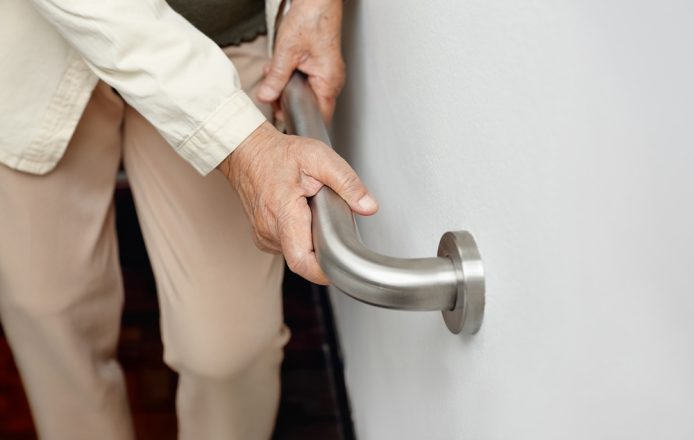
Table of Contents
- Why Sacramento homeowners are upgrading their handrails
- Handrail upgrades for stairs: what to look for
- Choosing the right material for Sacramento's climate
- Accessibility upgrades that go beyond the handrail
- What installation usually involves
- Ready to make your stairs safer?
- Frequently Asked Questions
If you or a family member has ever felt unsteady on the stairs, a simple handrail upgrade can make a real difference. Handrail upgrades for stairs come in many styles and price points, so there’s a good fit for almost every Sacramento home and budget. Whether you have a short front-entry staircase or a long indoor flight, this guide walks you through the options worth considering.
Key Takeaways
- Adding a second handrail or extending an existing one is one of the easiest, lowest-cost safety improvements you can make.
- Graspable rail profiles (round or oval) are safer than flat, decorative rails for people with limited hand strength.
- Sacramento’s dry summers and wet winters affect outdoor rail materials — choose accordingly.
- For stairs that feel risky even with upgraded rails, a stairlift may be the safer long-term solution.
Why Sacramento homeowners are upgrading their handrails
Sacramento’s housing stock skews older. Many homes in neighborhoods like Land Park, East Sacramento, and Curtis Park were built in the 1940s through 1970s, when building codes paid little attention to grab-and-balance safety. That often means a single, thin wooden rail on one side of the stairs — or no rail at all on outdoor front steps.
Falls on stairs are one of the most common causes of serious injury for adults over 60. A sturdy, properly installed handrail gives you something reliable to hold onto, especially on those cold winter mornings when joints are stiff or after sitting for a long stretch.
Upgrading a handrail is also usually much cheaper than a full staircase renovation. In many cases, it’s a weekend project for a handy family member or a half-day job for a carpenter.
Handrail upgrades for stairs: what to look for
Graspable profiles matter more than looks
The shape of a handrail determines whether someone can actually grip it well. Building codes in California generally require a “graspable” profile — typically a round rail between 1¼ and 2 inches in diameter, or an oval shape that fits the natural curve of a hand.
Flat, wide wooden rails look traditional, but they’re hard to grip tightly when your balance is off. If your current rail is wide and flat, replacing it with a round or oval profile is the single best upgrade you can make.
Wall-mounted vs. post-mounted rails
Wall-mounted rails attach directly to the wall studs and tend to feel solid and steady. They work well on indoor stairways with a wall on at least one side.
Post-mounted rails use vertical balusters or newel posts and are better for open staircases or outdoor front steps where there’s no wall to anchor into. Either style can be done well — what matters most is that the mounting is solid and doesn’t wobble when you put full weight on it.
Adding a second handrail
Many Sacramento homes have a rail on only one side of the staircase. Adding a matching or contrasting rail to the opposite side gives people the option to use both hands, which is especially helpful when carrying laundry, groceries, or anything else that breaks your concentration.
This is a low-cost upgrade with a big practical payoff, and it’s one of the first things occupational therapists and home safety specialists tend to recommend.
Choosing the right material for Sacramento’s climate
Indoor handrails
For indoor stairs, wood remains the most popular choice. It’s warm to the touch, easy to paint or stain, and widely available. Hardwoods like oak and maple hold up to daily use better than pine. Metal rails — wrought iron, steel, or aluminum — are also popular indoors, especially in craftsman and mid-century homes common throughout Sacramento.
Composite and vinyl rails are lower maintenance and work fine indoors, though they tend to feel less substantial underhand.
Outdoor handrails
Outdoor stairs face Sacramento’s hot, dry summers and rainy winters. Wood can crack and splinter if it isn’t sealed regularly. Wrought iron and steel look classic but need rust-resistant coating or paint to stay safe year after year.
Powder-coated aluminum is a practical choice for Sacramento outdoor railings. It handles the heat, resists rust, and doesn’t need much upkeep beyond an occasional wipe-down. Stainless steel is another durable option, though it costs more upfront.
Whatever material you choose, check outdoor rails every fall before the rainy season and every spring after it. Loose mounting hardware and surface rust are easier to fix early.
Accessibility upgrades that go beyond the handrail
A better handrail helps, but it doesn’t change the physical effort of climbing stairs. If someone in your household has arthritis, significant balance issues, or reduced leg strength, there’s a point where a handrail alone isn’t enough.
That’s where mobility equipment comes in. An indoor stairlift carries you up and down the stairs without any climbing effort at all. For front entry steps or a porch, an outdoor stairlift or vertical platform lift can solve the problem completely.
If stairs between floors are the issue and a stairlift isn’t the right fit for the layout, a home lift may be worth exploring. And for getting from the driveway or yard up to the door, a wheelchair ramp is often simpler and faster to install than most people expect.
Think of handrail upgrades as a first step. They extend independence and make stairs safer for a wide range of people. But if someone is already avoiding the stairs out of fear, that’s a sign it’s worth looking at the bigger picture.
What installation usually involves
Most handrail upgrades don’t require permits in Sacramento if you’re replacing an existing rail with a similar one. Adding a new rail on the open side of a staircase may require a quick check with the city, especially if the home is older.
A professional installer can usually complete a straightforward rail swap in two to four hours. Adding a second rail or rebuilding a post-mounted system on outdoor steps takes a bit longer. Getting a few quotes is a good idea — prices vary quite a bit depending on material, length, and complexity.
Ready to make your stairs safer?
If you’d like help figuring out whether a handrail upgrade, a stairlift, or another solution fits best for your home, the team at California Mobility is happy to talk it through. We’ve helped families all over the Sacramento area find practical, affordable ways to stay safe at home.
Request a free quote online or give us a call at (916) 560-0607. No pressure — just straightforward answers.
Frequently Asked Questions
What is the best handrail height for safety on home stairs? California’s building code generally calls for handrails to be between 34 and 38 inches above the stair nosing. For most adults, the middle of that range — around 36 inches — feels comfortable and allows a natural grip without reaching up or bending down. If someone in the home is shorter or uses a wheelchair part of the time, it’s worth measuring what feels right for them specifically before installation.
Can I add a handrail to stairs that don’t have a wall on one side? Yes. An open side can be fitted with a post-and-baluster system, which uses vertical posts anchored to the stair treads or the floor structure. This is common on outdoor front steps in Sacramento neighborhoods where the entry stair is freestanding. A carpenter or accessibility contractor can assess whether your stair framing will support the posts before any work begins.
How do I know if my current handrail is safe enough? Give it a firm shake. A safe rail shouldn’t move at all when you put real weight on it. Also check whether you can wrap your fingers around it and hold on securely — if it’s wide and flat, it’s harder to grip in an emergency. Splintered wood, flaking paint, or visible rust on mounting hardware are all signs it’s time for a replacement rather than a repair.
When does it make sense to consider a stairlift instead of just upgrading the handrail? A handrail upgrade is a good fit when someone needs a little extra support but can still climb stairs comfortably. If someone is avoiding the stairs entirely, taking them very slowly out of fear, or has been advised by a doctor to limit stair use, a stairlift is likely the more appropriate solution. Indoor stairlifts and outdoor stairlifts are designed to remove the physical effort of climbing altogether, which is a very different level of help than a handrail can provide.