

Lighting upgrades that reduce falls in San Jose homes
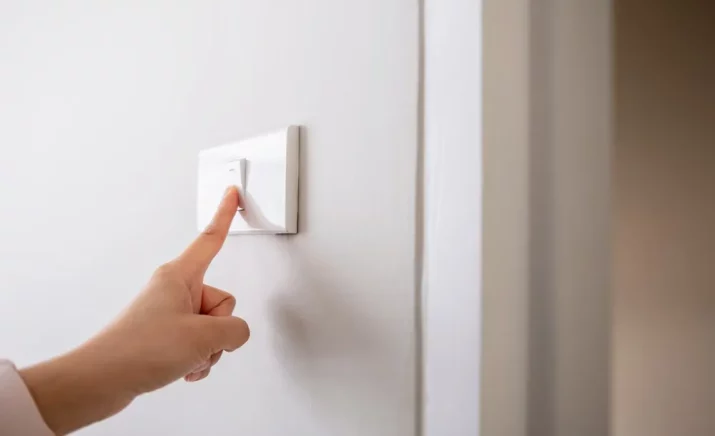
Table of Contents
Good lighting is one of the most affordable changes you can make to help an older adult stay safe at home. In San Jose, where mornings can be foggy and winter days stay dim until late, poor indoor lighting catches people off guard more often than you might think. These lighting for senior safety tips apply whether you live in a ranch-style home in Willow Glen or a two-story in Almaden Valley.
Key Takeaways
- Motion-sensor night lights on stairs and hallways remove the need to fumble for a switch in the dark
- Brighter bulbs in kitchens and bathrooms help aging eyes adjust faster and see hazards clearly
- Outdoor lighting near entries and garage steps matters just as much as indoor lighting
- Lighting works best as part of a broader fall-prevention plan that may include stairlifts or ramps
Why lighting matters more as we age
Older eyes need roughly three times more light than younger eyes to see the same level of detail. Contrast sensitivity — the ability to tell a step edge from a flat floor — also drops with age. That combination means a hallway that looks perfectly fine to a 40-year-old can feel like a dark tunnel to someone in their 70s.
San Jose homes present a few specific challenges. Older ranch homes and split-levels often have short entry hallways with a single overhead bulb. Many two-story homes built in the 1970s and 1980s have stairways with dim or outdated fixtures. Add in the June gloom that rolls in from the Bay or the early sunsets in December and January, and you have real conditions that raise fall risk.
Falls are the leading cause of injury-related hospital visits among older adults, and most happen at home. Fixing the lighting is a low-cost, high-impact first step.
Room-by-room lighting upgrades that make a real difference
Hallways and stairways
These are the highest-risk spots in most homes. A motion-activated night light plugged into a hallway outlet costs under $20 and turns on the moment someone gets up during the night. No switches, no stumbling in the dark.
For stairways, make sure the light source illuminates the full length of the stairs — not just the top landing. Add a light switch at both the top and bottom so no one has to walk in the dark to reach a switch. Glow-in-the-dark switch plates are a cheap, practical add-on.
If your stairs feel risky even with better lighting, that’s worth addressing directly. A stairlift takes the danger out of stairs entirely, day or night.
Bedroom
Most falls happen when someone gets up at night to use the bathroom. A motion-sensor night light between the bed and bathroom door solves the problem without waking a partner. Position it low on the wall, about 6 to 12 inches off the floor, so it lights the path without shining in anyone’s eyes.
Bedside lamps with touch controls or rocker switches are easier to use than small twist knobs, especially for someone with arthritis or reduced grip.
Bathroom
Bathrooms combine hard floors, water, and low lighting — a bad combination. Replace any dim vanity bulb with a bright daylight-spectrum LED (look for 4000K to 5000K color temperature). These mimic natural light and make it much easier to see the edge of the tub, a wet floor, or a step into the shower.
A plug-in night light near the toilet is just as useful here as it is in the hallway.
Kitchen
Overhead kitchen lights often leave counter surfaces in shadow. Under-cabinet LED strip lights are inexpensive, easy to install, and light up the counter where people cut, cook, and reach. This is especially helpful in San Jose’s older homes where kitchen layouts were not designed with task lighting in mind.
Outdoor lighting for San Jose homes
Many falls happen right outside the front door or on the path to the garage. San Jose’s mild climate means people are outside year-round, but winter evenings get dark early, and morning fog in neighborhoods near the foothills can reduce visibility even at mid-morning.
Dusk-to-dawn LED lights on the porch or garage automatically turn on at sunset and off at sunrise. They require no action from the homeowner and never leave someone arriving home after dark without a lit path.
Motion-sensor floodlights work well for driveways and side yards. Position them so they light the entire path from the car to the door, not just one section of it.
If you have exterior stairs leading to a porch or a raised entry — common in many Cambrian Park and Rose Garden homes — those steps deserve the same attention as indoor stairs. Step lights mounted low on the riser face each step clearly. For exterior stairs that feel unsafe, an outdoor stairlift or a ramp may be a better long-term answer than lighting alone.
Choosing the right bulbs
LED bulbs are the right choice for nearly every fixture. They are bright, long-lasting, and inexpensive to run. For areas where good color contrast matters — bathrooms, stairways, kitchens — choose bulbs rated at 3000K or higher. Warmer bulbs (2700K) create a cozy feel but reduce contrast, which is not ideal for safety areas.
Dimmer switches can be useful in bedrooms and living rooms, but make sure the lowest setting is still bright enough to see clearly. A bulb that dims to near-darkness defeats the purpose.
Lighting is a strong start — but it is not always enough
Better lighting reduces risk, but it does not change the physical demands of stairs or uneven surfaces. If an older adult in your household has balance issues, limited mobility, or has already had a fall, it is worth looking at the full picture.
California Mobility helps San Jose families with stairlifts, Home Lifts, vertical platform lifts, and ramps. These changes work alongside improved lighting to make a home genuinely safer — not just better lit.
Get a free quote from California Mobility
California Mobility is a family-owned company serving San Jose and communities across California. If you are ready to talk through what your home needs, we make it easy to get started.
Request a free quote at californiamobility.com/request-a-quote/ or call us at (916) 560-0607. We are happy to answer questions and help you figure out the right next step — no pressure, no hard sell.
Frequently Asked Questions
What is the most important lighting upgrade for senior safety at home? Motion-activated night lights in hallways and between the bedroom and bathroom are usually the highest-impact change. They eliminate the need to find a switch in the dark, which is when most nighttime falls happen. Plug-in models are affordable and require no wiring.
How bright should lights be in areas where an older adult walks frequently? A good rule of thumb is to aim for 100 watts of equivalent light output (in LED terms, around 1600 lumens) in high-traffic areas like stairways, bathrooms, and kitchens. Choosing bulbs in the 3000K to 5000K color temperature range also helps aging eyes see edges and contrasts more clearly.
Does outdoor lighting really help prevent falls? Yes — a meaningful number of falls happen just outside the front door, on porch steps, or on the path from a car to the house. Dusk-to-dawn or motion-sensor lights on exterior stairs and pathways are simple to install and make a real difference, especially during San Jose’s shorter winter days.
When should we think about more than just lighting? If an older adult has already had a fall, has balance or mobility issues, or finds stairs difficult even in good light, it may be time to look at structural changes like a stairlift, ramp, or home lift. California Mobility can help San Jose families assess what their home needs and find a solution that fits their situation and budget.