

Fall prevention steps for California seniors at home
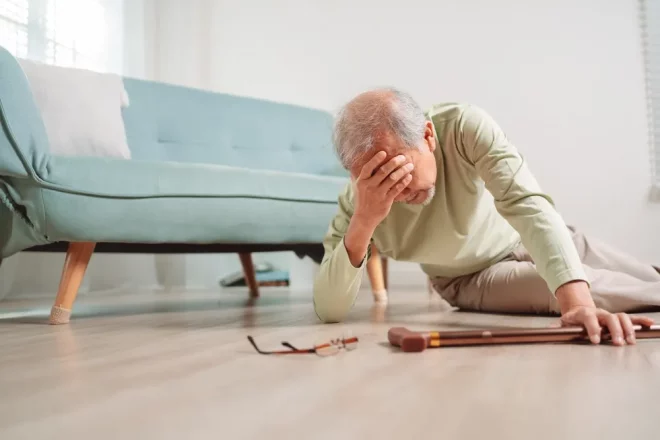
Table of Contents
A fall at home can change everything — a hospital stay, months of recovery, or a permanent loss of independence. That’s why fall prevention at home for seniors is one of the most important things families in California can focus on right now. The good news is that most falls are preventable, and small changes around the house can make a real difference.
Key Takeaways
- Most falls happen inside the home, and the bathroom, stairways, and bedroom are the highest-risk spots
- Simple fixes like removing loose rugs, improving lighting, and adding grab bars cost little but help a lot
- California’s mix of older housing stock and hillside properties creates some specific hazards worth knowing about
- Mobility equipment like stairlifts, ramps, and platform lifts can remove the most dangerous obstacles entirely
Why falls are such a serious concern for older Californians
Falls are the leading cause of injury among older adults. Many seniors live alone in California, which means a fall can go unnoticed for hours. Recovery is also harder as we age — what might have been a bruise at 40 can mean a broken hip at 75.
California has a wide variety of housing types. Older bungalows in Sacramento, split-level homes in the Bay Area, hillside houses in Los Angeles — many were built before anyone thought about aging in place. Steep exterior stairs, narrow bathrooms, and uneven walkways are common. That makes it even more worth taking a good look at your home through the lens of fall risk.
Room-by-room fall prevention at home for seniors
The bathroom
The bathroom is where most falls happen. Wet floors, slippery tubs, and the physical strain of getting up from the toilet all add up.
Here’s what helps most:
- Grab bars next to the toilet and inside the shower or tub — not towel bars, which pull right out of the wall
- A shower chair or bench so you don’t have to stand the entire time
- Non-slip mats inside the tub and on the floor just outside it
- A handheld showerhead that lets you bathe seated
A licensed contractor can install grab bars into wall studs so they hold your full weight. This is not a weekend DIY project if you want it done safely.
The bedroom
Getting in and out of bed is a surprisingly common time for falls, especially at night when someone is groggy or moving quickly to use the bathroom.
A few changes that help:
- Keep a lamp or nightlight within reach from the bed
- Make sure the path to the bathroom is clear of furniture, cords, and anything you could catch a foot on
- If the bed is too high or too low, an adjustable bed frame or bed rail can help
The kitchen
Reaching up into high cabinets or bending down to low ones puts people off balance. Avoid using step stools if at all possible — they’re one of the most common causes of falls in seniors.
Reorganize your most-used items to counter height. If you need something up high, ask for help or use a grabber tool.
Living areas and hallways
Loose rugs are one of the easiest problems to fix and one of the most overlooked. Throw rugs, area rugs with curled edges, or rugs that slide on hardwood floors are all fall hazards. Tape them down, use non-slip pads, or remove them altogether.
Cords from lamps or electronics that cross a walking path should be tucked against the wall or removed. Good lighting throughout the home matters too — older eyes need more light, and many California homes have dim hallways.
Stairways: the highest-risk spot in the home
Stairs cause more serious injuries than almost anything else in the home. This is true whether the stairs are inside the house or leading up from a driveway or front entry.
Inside your home
If you have a two-story home and find yourself avoiding the upstairs — or feeling nervous every time you climb — that’s worth taking seriously. Indoor stairlifts let you move between floors while seated, which removes the risk entirely. They work on straight and curved staircases and can be installed in most California homes without major renovation.
Outside your home
Many California homes — especially older ones in hilly areas — have steep front steps or long exterior staircases. Outdoor stairlifts are built to handle weather and work the same way as indoor models. For level changes that are better served by a platform, vertical platform lifts offer a stable, enclosed way to move up and down.
If the main issue is a few steps at the entry or garage, a ramp is often the simplest answer. Modular ramps can be installed quickly and removed if you move.
Multi-story homes
For seniors in larger homes who want to stay on every floor they’ve always used, a home lift or home lift is worth looking into. These can be installed in existing homes and don’t require a full home lift shaft in many cases.
Habits and health factors that affect fall risk
The home environment is only part of the picture. A few personal health factors also increase the risk of falling:
- Medications — some cause dizziness or low blood pressure when you stand up. Talk to your doctor if you feel unsteady after starting a new prescription.
- Vision — annual eye exams matter. Poor depth perception makes steps and curbs harder to judge.
- Strength and balance — physical therapy and balance exercises (like tai chi) have solid evidence behind them for reducing falls. Ask your doctor for a referral.
- Footwear — soft-soled slippers with no back strap are a common culprit. Shoes with a firm sole and a heel counter provide much better support.
Get a free home assessment
If you’re not sure where to start, California Mobility offers free in-home consultations across California. We’ll take a look at your stairways, entry points, and daily movement patterns and suggest practical options — no pressure, no sales pitch.
Call us at (916) 560-0607 or request a free quote online. We’ve helped thousands of California families keep their loved ones safe and independent at home, and we’re happy to help you figure out what makes sense for your situation.
Frequently Asked Questions
What is the most common cause of falls in seniors at home? The bathroom and stairways are the two highest-risk areas, but loose rugs and poor lighting throughout the home are also frequent causes. Many falls happen during routine activities like getting out of bed at night or stepping out of the shower. A walk-through of your home with fall risk in mind will usually turn up several easy fixes.
Does Medicare cover fall prevention equipment or home modifications? Medicare generally does not cover home modifications like grab bars or ramps. However, some Medicare Advantage plans offer a home safety benefit that may cover certain items — it’s worth calling your plan directly to ask. California’s Medi-Cal program and some county programs also offer assistance for low-income seniors; your local Area Agency on Aging can point you in the right direction.
At what point should a senior consider a stairlift? If climbing stairs causes pain, shortness of breath, or a feeling of being unsteady, it’s time to have a conversation about a stairlift. You don’t have to wait until after a fall — many families install a stairlift as a precaution when they notice a parent gripping the handrail harder than they used to or starting to avoid going upstairs. Earlier is almost always better.
How long does it take to install a stairlift or ramp? Most straight stairlift installations take just a few hours. Curved stairlifts take a bit longer since the rail is custom-built to fit the staircase. A modular ramp at an entryway can often be installed in a single afternoon. California Mobility handles everything from measurement to installation, so you don’t need to coordinate multiple contractors.