

How caregivers can safely help with stair lifts in Los Angeles
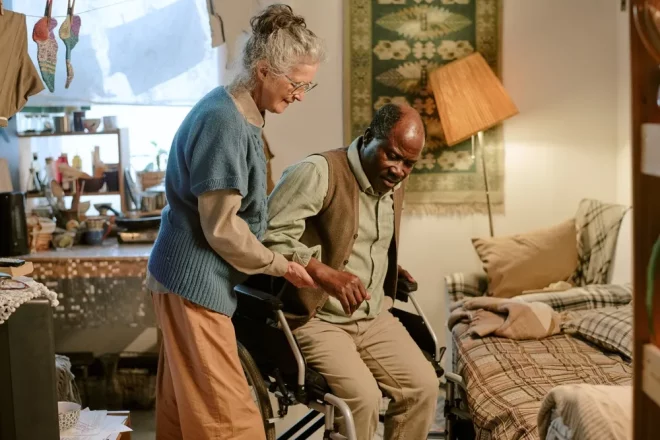
Table of Contents
- What caregivers should know before helping with a stair lift
- How to position yourself safely during transfers
- Stair lift considerations specific to Los Angeles homes
- Daily habits that keep the lift running safely
- When to call a professional
- Get help from California Mobility in Los Angeles
- Frequently Asked Questions
Caring for someone who uses a stair lift takes a little know-how, but it does not have to be complicated. With the right habits and a basic understanding of how the equipment works, a stair lift for caregiver use becomes a simple, reliable part of the daily routine. Whether you are helping a parent in a Silver Lake craftsman or a client in a multi-story Torrance home, this guide will walk you through everything you need to know.
Key Takeaways
- Caregivers do not need special training to assist with a stair lift, but learning the controls and safety features before the first ride matters.
- Positioning yourself correctly on the stairs keeps both you and the person you care for safe during transfers.
- Los Angeles homes — from hillside properties to older two-story houses — often have staircase conditions that affect how the lift operates.
- Regular visual checks and knowing when to call a technician can prevent small issues from becoming big problems.
What caregivers should know before helping with a stair lift
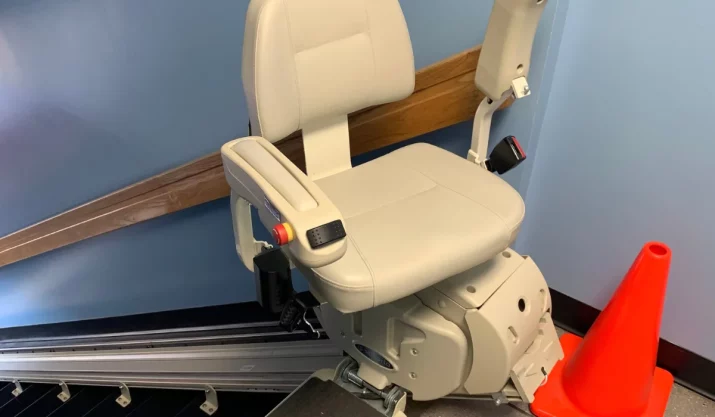
The best time to learn how a stair lift works is before it gets used in a stressful moment. When the lift is first installed, ask the technician to walk you through every part of the unit — the joystick or paddle control, the safety sensors, the footrest, the seatbelt, and the call/send remote.
Most modern stair lifts have sensors along the rail that will stop the chair if something is in the way. Knowing this keeps you from panicking if the lift pauses mid-ride. It also means caregivers should clear the stairs of shoes, bags, or anything else before each use.
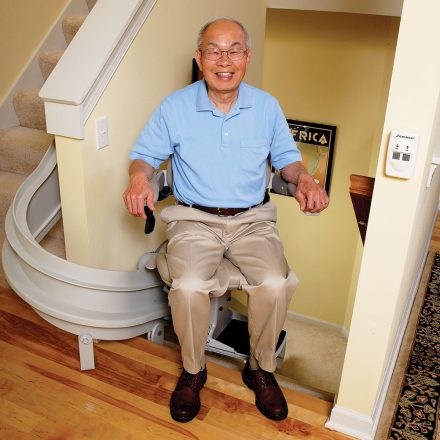
If you are caring for someone in a multi-story Los Angeles home with a steep or curved staircase, it is worth asking the installer whether the home has a curved or straight indoor stairlift. The transfer process can vary slightly depending on the chair’s position at the top and bottom of the ride.
How to position yourself safely during transfers
Transfers — moving someone on or off the lift seat — are where most caregiver injuries happen. The stairs create an uneven surface, and it is easy to lose your footing if you are not thoughtful about where you stand.
At the bottom of the stairs: Stand slightly to the side of the seat, not directly in front of it. This keeps you out of the path of the footrest and lets you support the person’s arm or waist without twisting your back.
At the top of the stairs: The landing area is often tight, especially in older Los Angeles homes built before wide hallways were standard. Keep the footrest lowered until the person is fully seated, and raise it before the lift moves. Once the lift reaches the top, wait for the chair to swivel (if it has a swivel seat) before assisting with the stand.
Always communicate out loud — “I’m going to help you stand now” — so the person knows what to expect. Sudden movement can startle someone and throw both of you off balance.
Stair lift considerations specific to Los Angeles homes
Los Angeles housing stock is diverse. You will find everything from 1920s Craftsman bungalows in Pasadena with narrow, steep staircases to newer construction in the San Fernando Valley with wide, gently graded steps. Each setup presents different considerations.
Hillside homes are especially common in areas like Echo Park, Mount Washington, and parts of the Hollywood Hills. These properties sometimes have outdoor staircases connecting street level to the front door. If that is the case, an outdoor stairlift is the right fit — built to handle California sun, morning coastal moisture, and temperature swings.
Older two-story homes may have staircases that are narrower than modern code requires. A California Mobility installer can measure to confirm fit, but caregivers should be aware that there may be less room to stand during transfers. In those cases, positioning on the landing at the top or bottom — rather than on the stairs themselves — is usually safer.
Homes with no staircase option — meaning someone cannot use a stairlift at all due to a disability or equipment configuration — may benefit from a vertical platform lift or a Home Lift instead. These allow a caregiver to ride along, which a stairlift cannot accommodate.
Daily habits that keep the lift running safely
A stair lift does not need much maintenance, but caregivers can do a quick visual check each day to catch issues early.
Look at the rail to make sure nothing has slipped onto the track. Check that the seatbelt latches without resistance. Listen for any new grinding or clicking sounds during the ride — those are worth a call to a technician.
Keep the rail free of dust and debris, especially in Los Angeles where dry Santa Ana wind conditions can push grit through window screens. A dry cloth wipe-down of the rail once a week takes less than two minutes and can extend the life of the unit.
If the lift stops mid-staircase and will not restart, do not force it. Check for an obstruction at the sensor, then try the controls again. If it still does not move, call for service — most lift companies including California Mobility offer support calls to troubleshoot.
When to call a professional
Some situations go beyond what a caregiver should handle alone. Call a technician if the lift makes new noises, moves slower than usual, stops unexpectedly more than once, or if the person using it has had a change in mobility that affects how they transfer.
It is also worth scheduling a check-in when someone’s needs change significantly — such as after a hospitalization or a fall. A technician can confirm the current setup still fits the situation or recommend an adjustment.
Get help from California Mobility in Los Angeles
California Mobility is a family-owned company based in Sacramento that serves families across California, including Los Angeles. Whether you are installing a new lift or have questions about one already in your home, the team can help you find the right fit.
Request a free quote online or call (916) 560-0607 to speak with someone directly. There is no pressure — just straightforward answers from people who know this equipment inside and out.
Frequently Asked Questions
Can a caregiver ride the stair lift at the same time as the person they care for? No — stair lifts are designed for one person at a time, and the weight capacity reflects that. If a caregiver needs to travel between floors alongside someone, a vertical platform lift or Home Lift is a better option. California Mobility can help you figure out which solution fits the home.
What if the person I care for is afraid to use the stair lift alone? That is common, especially in the first few weeks. Start by riding nearby — standing at the top or bottom landing while they travel — and talking calmly through each step. Most people grow more comfortable after a handful of supervised rides. If anxiety remains high, ask the installer about remote controls that let the caregiver operate the lift from either end.
How do I handle a power outage with a stair lift in Los Angeles? Most stair lifts run on a battery backup that charges when plugged in, so a brief outage typically does not strand anyone mid-staircase. If a longer outage is expected — during a wildfire-related grid shutdown, for example — it is worth checking the battery status in advance and making sure the person has a safe place to stay on one floor until power returns.
Does California Mobility train caregivers on how to use the equipment after installation? Yes. During the installation appointment, the technician will walk through how the lift operates and answer questions from everyone in the household, including caregivers. If you need a follow-up walkthrough later, you can call (916) 560-0607 and the team will help.