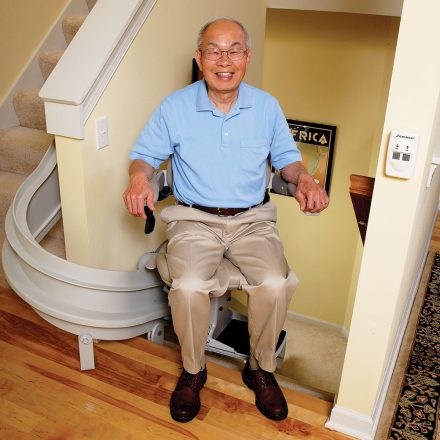


Charging station placement tips for stair lifts in California homes
Table of Contents
Getting the most out of your stair lift means making sure it’s always charged and ready when you need it. Good stair lift charging station placement isn’t something most people think about until there’s a problem — but a little planning upfront saves a lot of hassle later. Whether you’re setting up a new lift or troubleshooting an existing one, these tips will help.
Key Takeaways
- Charging contacts are built into the rail, so the lift charges automatically when it parks at the top or bottom landing
- Most stair lifts use two charging stations — one at each end of the rail — for maximum flexibility
- Extension cords are never a safe option; your outlet placement needs to be planned before installation
- California’s coastal humidity and dry inland heat can affect battery life, so parking habits matter more than you’d think
How stair lift charging actually works
Before we talk about placement, it helps to understand what’s going on behind the scenes. Most modern stair lifts — including the indoor stairlifts we carry at California Mobility — run on a rechargeable battery system rather than a direct power connection.
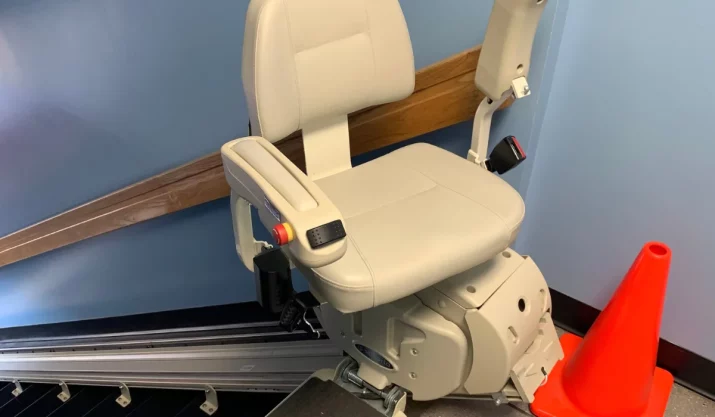
The lift charges through metal contact points built into the rail itself. When the chair parks at a charging station (usually at the top or bottom of the stairs), those contacts touch, and the battery tops off automatically. You don’t plug anything in. You don’t flip a switch. It just happens.
This design also means your lift keeps working even during a power outage — a real plus for California homeowners who deal with PG&E public safety power shutoffs or rolling outages during fire season.
Where charging stations are typically placed
Most stair lift installations include two charging stations — one at the top landing and one at the bottom. This is the standard setup for good reason. Wherever you park the lift at the end of the day, it charges.
That said, the placement has to work with your home’s existing electrical layout. Each charging station needs to be within a few feet of a standard 120-volt wall outlet. Your installer will assess your staircase and the nearest outlet locations before the rail goes in.
If you only have one outlet near your stairs, your installer may recommend adding a second one. This is a simple job for an electrician and well worth doing before installation day.
Tips for choosing the best parking spot — and why it matters
Where you habitually park your lift affects how well it stays charged. Here’s what to keep in mind:
Park at the end you use most
If you spend most of your time on the ground floor, park the lift at the bottom. If you sleep upstairs and come down in the morning, park it at the top at night. The battery charges as long as the contacts are touching, so consistency is key.
Don’t leave it mid-rail
Leaving your lift parked halfway up the stairs — away from either charging station — means the battery is draining but not replenishing. Over time, this shortens battery life and can leave you stranded. Make it a habit to always send the lift to a landing after use.
Check that the chair is fully seated
Sometimes a lift will stop just an inch or two short of the charging contact without you realizing it. If your battery seems to drain faster than usual, walk over and confirm the chair is fully parked at the station. Most lifts have a small indicator light or sound to confirm charging has started.
Outlet placement: plan before installation day
This is one of the most overlooked parts of a stair lift installation. Your electrical outlets need to be in the right spot before the rail goes up — not after.
Here’s what to plan for:
- Outlet height: Charging station connections are typically low to the ground at the bottom landing and near floor level at the top. Your outlet should be within reach of the power supply cable without stretching or running along the baseboard.
- No extension cords: Extension cords create a tripping hazard and can cause voltage inconsistencies. Every installer will tell you the same thing — get a dedicated outlet installed if you don’t have one in the right spot.
- GFCI outlets near bathrooms or exterior walls: If your staircase runs near a bathroom or an outside-facing wall, your electrician may install a GFCI outlet for safety. This is standard practice and nothing to worry about.
For homes with outdoor stairlifts — common in California’s hillside neighborhoods and multi-level properties — weatherproof outlet covers and GFCI protection are required. Outdoor units are built to handle coastal fog and Central Valley heat, but the electrical setup still needs to meet code.
California-specific considerations
California homes come in a wide range of styles — Bay Area Victorians with steep, narrow staircases, San Diego ranch homes, Sacramento split-levels, and everything in between. Staircase length and layout directly affect where your charging stations can go.
A few things worth noting for California homeowners:
Humidity on the coast: Salt air and moisture near the Pacific can corrode metal contacts over time. Keeping the lift parked and charging (rather than sitting idle mid-rail) helps keep those contacts clean and in contact.
Dry heat inland: In the Sacramento Valley, San Joaquin Valley, and Inland Empire, heat can stress batteries faster. If your staircase gets afternoon sun through a window, try to park the lift away from direct sunlight when possible.
Older homes with limited wiring: Many older California homes — especially pre-1980 construction — may need an electrical update before a stair lift can be installed properly. A good installer will catch this during the in-home assessment.
If you’re also exploring options beyond stairlifts, California Mobility offers vertical platform lifts and Home Lifts for situations where a stair lift isn’t the right fit.
Ready to get your stair lift set up the right way?
The team at California Mobility has been helping California families with stair lifts and home mobility solutions for years. We’ll walk through your home, check your outlet placement, and make sure your charging setup works right from day one.
👉 Request a free quote online or call us at (916) 560-0607. We’re happy to answer questions — no pressure, no rush.
Frequently Asked Questions
Do I need an electrician before my stair lift is installed? Not always, but sometimes. If you already have a standard 120-volt outlet within a few feet of each end of your staircase, you’re likely set. If you don’t, an electrician will need to add outlets before installation day. Your California Mobility installer will check this during the initial home visit so there are no surprises.
What happens if my stair lift isn’t charging properly? The most common causes are the chair not being fully parked at the charging station, dirty or corroded contacts, or a problem with the outlet itself. Start by confirming the chair is fully seated at the top or bottom landing. If the problem continues, call your installer — it’s usually a quick fix.
Can I use a power strip or extension cord with my stair lift charging station? No. Extension cords and power strips are not safe options for stair lift power supplies. They can cause inconsistent voltage, create a tripping hazard on or near the stairs, and may void your warranty. A properly placed wall outlet is the right solution.
How long does it take to fully charge a stair lift battery? Most stair lift batteries charge fully overnight with regular use. If you’re using the lift several times a day and always returning it to a charging station, the battery should stay close to full charge most of the time. Deep charging from a very low battery can take longer — another reason consistent parking habits pay off.