

Why More Bay Area Families Are Installing Home Lifts
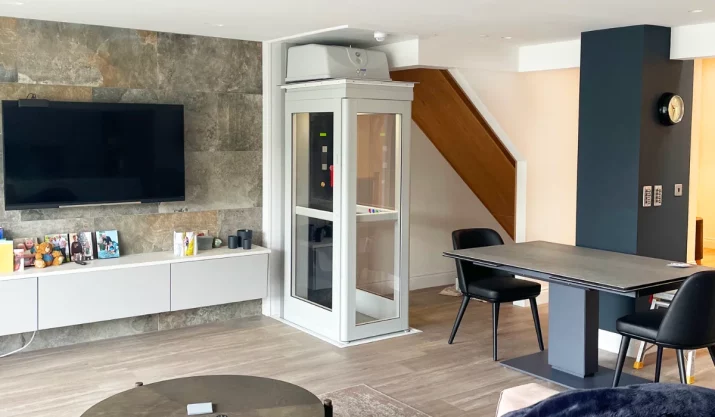
Table of Contents
- Key Takeaways:
- The Growing Demand For Home Lifts In The Bay Area
- Improving Accessibility And Independence
- How Home Lifts Increase Home Value
- Choosing The Right Type Of Home Lift For Your Home
- The Installation Process And Costs
- Why A Home Lift Is A Smart Long-Term Investment
- Making The Right Home Lift Choice For Your Bay Area Home
- FAQs
For many Bay Area homeowners, stairs can be hard to use. Daily stair use can be tiring and unsafe for people with injuries or limited mobility. As a result, more families are installing Home Lifts.
A Home Lift makes it easier to move between floors safely and comfortably. It can also raise your home’s resale appeal over time. As more people plan for long-term living, many Bay Area families add residential home lifts or home lifts to improve accessibility.
This article explains why Home Lifts are growing in the Bay Area. You will also learn how they improve accessibility, which types are available, and what the installation process looks like.
Key Takeaways:
- Home Lifts make multi-level homes safer and easier to use.
- They improve accessibility for seniors and people with mobility challenges.
- Many Home Lift systems work in new builds and retrofit projects.
- A well-installed home lift can help your home’s resale value.
The Growing Demand For Home Lifts In The Bay Area
Many Bay Area homes have more than one floor, and stairs can get harder to use with age. A Home Lift helps people move between floors safely and with less effort. For some families, it helps them stay in their current home rather than move to a one-story house.
Modern Home Lifts can be small, quiet, and energy-efficient. Hydraulic and pneumatic vacuum home lifts typically operate smoothly and require only basic maintenance. Some shaftless home lifts require no shaft or machine room, making them easier to fit into existing homes during renovations.
California home prices are high, so many homeowners want to protect their homes. Adding a residential home lift or home lift can improve comfort and boost resale appeal. It can also help your home stand out when buyers compare features.
Improving Accessibility And Independence
A Home Lift helps homeowners move around their home with less risk. It can help seniors stay in the house they love, even when stairs are difficult.
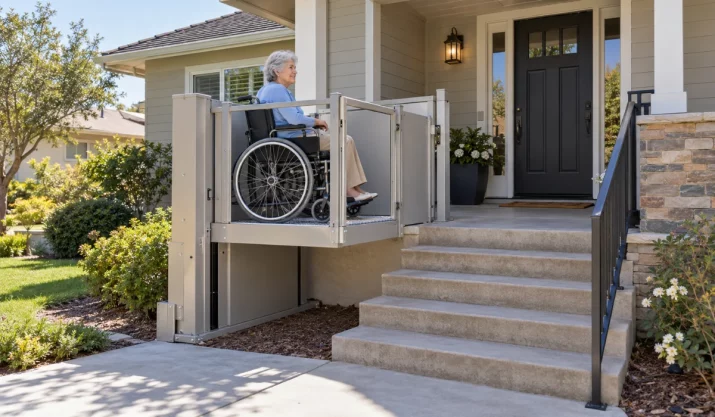
A stair lift can assist on a single set of stairs, but an home lift can accommodate wheelchairs, walkers, and heavy loads between floors. It also helps families move groceries and laundry between floors with less strain.
A Home Lift can support families planning for long-term comfort by offering a safer way to reach each floor.
You can choose a compact shaftless model or a traditional hoistway. Each option includes safety features built for daily use.
How Home Lifts Increase Home Value
Installing a Home Lift can also improve your home’s resale and property value. In competitive markets such as San Francisco or San Mateo, features that enhance accessibility can help your home sell faster.
Many modern home lift designs can match your home’s style. Homeowners often choose wood, glass, or metal finishes that match their rooms. Because many systems use a small footprint, they can fit into your home’s layout.
Many buyers want homes that feel comfortable, look nice, and are easy to use. A residential home lift can support comfort, style, and accessibility. It shows buyers that your home can work well for long-term living and different needs.
Choosing The Right Type Of Home Lift For Your Home
Every home is different, so the right home lift system depends on your space, lifestyle, and budget. When comparing Home Lifts in the Bay Area, it helps to understand the most common Home Lift options and how each one works:
Hydraulic Home Lifts
- These home lifts use a piston and fluid pressure to lift the cab. They’re smooth, strong, and ideal for multi-level homes that need to move heavy items or wheelchairs.
- They can travel higher than other models, offer a quiet ride, and come in many sizes.
- Because they require an underground pit or small machine room, they work best in homes with extra space or during new construction.
Pneumatic Vacuum Home Lifts
- These systems operate on air pressure, so they don’t require oil, cables, or counterweights.
- They’re compact, clean, and energy-efficient, using very little electricity.
- Their modern, clear-tube design looks stylish and fits well in smaller homes or condos.
- Since they don’t require major structural work, they’re perfect for retrofit installations in existing homes.
Shaftless Home Lifts
- These home lifts save space because they don’t need an home lift shaft or pit.
- They’re small, quiet, and easy to install, making them great for retrofit projects.
- With lower installation costs, they’re among the most cost-effective options.
- Installers can complete most installations in just a few weeks, and the home lift can fit into many home layouts.
Home Lifts
- Home lifts are smaller systems used for short distances or split-level spaces, such as between a garage and a living area.
- They’re designed for everyday use and provide an affordable way to improve home accessibility.
- You can customize them with glass panels, lighting, or finishes to match your interior design.
- Because they take up very little space, home lifts are a good choice for compact or Bay Area homes.
If you’re building a new home, plan your home lift shaft early for faster, more efficient installation. For existing homes, shaftless or pneumatic systems are usually the best fit.
At California Mobility, we help homeowners throughout California compare home lift options, explore features, and choose the design that fits their budget and home’s layout.
The Installation Process And Costs
A Home Lift installation is a big project, but it’s usually easier than most homeowners think. The process starts with a quick inspection to measure your space and review your home’s layout.
During this step, the installer also checks local building codes and applies ADA standards where appropriate, particularly for cab size, controls, and entry clearance to ensure accessibility. After that, the installer helps you choose the best home lift type and design.
For new construction, builders can plan the home lift into the floor plan. Early planning can save time and support accessibility features from day one. In existing homes, a retrofit may require updates during a remodel, such as opening a wall or adding electrical work.
Many installations take a few weeks, depending on the home lift type and your home.
Installation costs depend on the home lift type, finishes, and the number of floors it serves. Many Bay Area homeowners pay about $25,000 to $50,000. Compact shaftless home lifts and home lifts often cost less than full-size systems.
Many modern home lifts operate quietly, use power efficiently, and can last for many years. Many include safety features such as an emergency stop, battery backup, and easy-to-use controls.
Why A Home Lift Is A Smart Long-Term Investment
A Home Lift can be more than a convenience. It can support comfort and safety. Instead of moving to a one-story house later, you may be able to stay in your home longer.
Families with seniors often find that an home lift becomes important fast. It can lower fall risk, help with heavy items, and make each floor easier to reach.
New energy-efficient technologies also mean home lifts use less power and require minimal maintenance. That makes them both practical and cost-effective in the long run.
A well-installed home lift adds comfort, functionality, and beauty to your home. It can also appeal to future buyers while supporting long-term living needs.
We offer complete mobility solutions, including home lifts, stair lifts, and custom home lift systems to meet your needs.
Making The Right Home Lift Choice For Your Bay Area Home
Homes change as families grow and needs shift. Planning for more effortless movement between floors can reduce future limitations and support long-term living in a multi-level home. A Home Lift is one way homeowners prepare for those changes without altering how their home feels day-to-day.
At California Mobility, we work with Bay Area homeowners to plan home lift solutions that fit their space, timeline, and long-term goals.
Contact us today to learn more about your options and request a quote.