

The Challenges of Installing Stair Lifts in Older Bay Area Homes
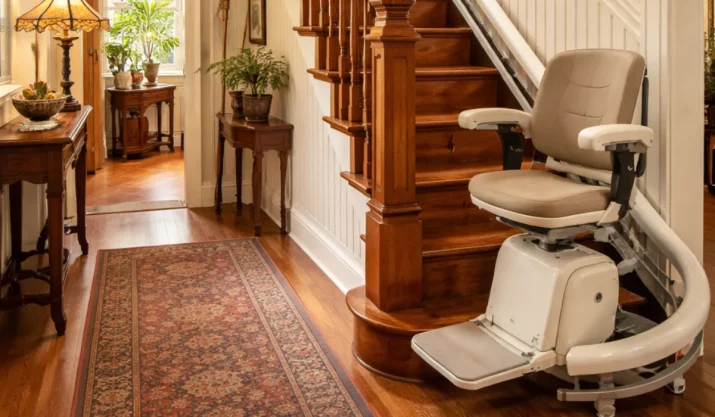
Table of Contents
- Key Takeaways:
- Understanding Stair Lift Installation in Older Bay Area Homes
- Dealing With Narrow or Steep Staircases
- Addressing Structural and Electrical Challenges
- Choosing the Right Stair Lift Model for Your Home
- Understanding Pricing, Warranty, and Long-Term Value
- Making the Right Stair Lift Choice for Your Bay Area Home
- FAQs
Builders constructed many Bay Area homes, especially in San Francisco and Oakland, long before people planned for easy access. These older houses have charm, but they often feature narrow stairs, uneven walls, and tight layouts that make upgrades harder.
If you or a loved one has difficulty with stairs, a stair lift can help you move around your home and maintain greater independence. A stair lift allows people to ride up and down stairs safely when climbing the steps is difficult. In many older Bay Area homes, the job takes extra planning and a custom fit.
This guide explains common stair lift installation issues in older Northern California homes, how California Mobility addresses them, and what to expect regarding costs, warranties, and installation.
Key Takeaways:
- Older Bay Area homes often have narrow or uneven stairs, so many stair lifts need a custom fit.
- Professional installation helps with safety, proper fit, and reliable use over time.
- Bruno stair lifts and other trusted brands offer models for straight and curved stairs.
- A family-owned local company can help you compare options, understand warranties, and stay on budget.
Understanding Stair Lift Installation in Older Bay Area Homes
Installing a stair lift in an older Bay Area home takes more than bolting a rail to the steps. Many historic homes in San Francisco, Alameda, and Oakland have curved rails, steep stairs, or tight turns, so a basic model may not fit.
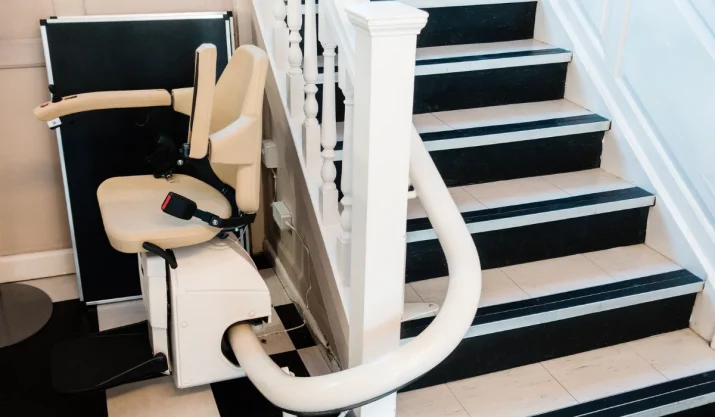
A pro installer starts with a detailed in-home check. We measure each step, turn, and landing to determine whether a straight or curved stair lift is required. Curved stair lifts work well on stairs with turns or mid-landing breaks, which many Victorian and Craftsman homes have.
If you want a high-quality stair chair lift, the installer still needs careful measurements. The lift needs the right size and a setup that fits your home.
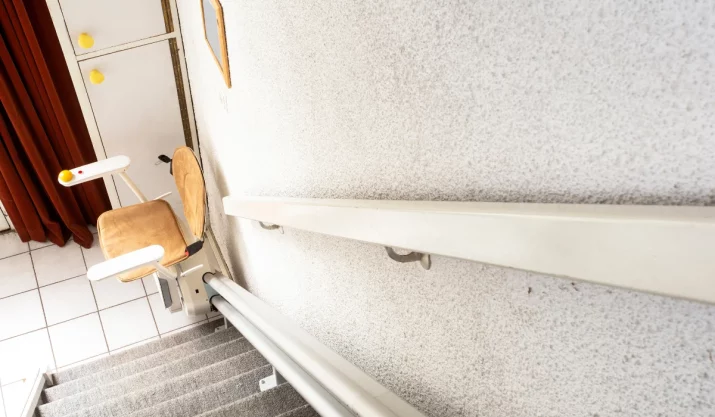
Older homes often have non-flat plaster walls, so installers attach the rail to the stair treads rather than the wall. This method keeps the rail steady and avoids changing the home’s original walls.
Working with our team can help you avoid common mistakes and get a lift that works well and feels safe to use. You can visit our Bay Area showroom to try indoor stair lifts before you choose one.
If you live in San Francisco or San Jose and are unsure which model is right for you, we offer a free consultation and professional installation to improve access at home.
Dealing With Narrow or Steep Staircases
Before installing a stair lift, consider the stair lift space requirements and what your home can accommodate. Builders built many Bay Area staircases long before modern accessibility regulations, so the space often feels too tight for today’s stair lifts.
Many Bay Area homeowners face narrow or steep staircases, especially in older neighborhoods such as Bernal Heights and historic districts of Alameda.
To help in tight spaces, our technicians often recommend compact models or Bruno stair lifts with folding armrests and footrests. When you fold these parts, the lift occupies less space, making it easier for others to walk by.
In very tight stairways, a curved stair lift can follow the exact turns and slope of your steps. If your home has outdoor steps, you can also use an outdoor stair lift for porch stairs or steep garden paths. Outdoor models use weather-ready parts that handle rain and damp air.
Professional installation ensures the stair lift meets safety requirements and avoids blocking doors, hallways, or landings. A DIY install in a tight stairway can cause fit problems, safety risks, or damage to the stairs.
If your stairs have a tricky layout, our Bay Area team can suggest options that fit the space and keep the home looking like itself.
Addressing Structural and Electrical Challenges
Older Bay Area homes often have uneven floors, older wiring, and few outlets near the stairs. These issues can complicate stair lift installation.
According to the CDC, falls are a leading cause of injury among older adults, and stairs are one of the most common places where those falls occur. When stairs are poorly lit, uneven, or steep, the risk increases even more, especially in older homes.
Stair lifts require a steady power supply, so installers may add a dedicated circuit or use a nearby outlet with surge protection. If the steps feel uneven or the wood sags, installers may reinforce the stairs before installing the rail.
Our team inspects the stairs and electrical setup to reduce fall risk and protect the home’s structure. Bruno stair lifts include safety features such as obstruction sensors, swivel seats, and a battery backup that keeps the lift running during a power outage. These features can help families trust the lift for daily use, even during a short outage.
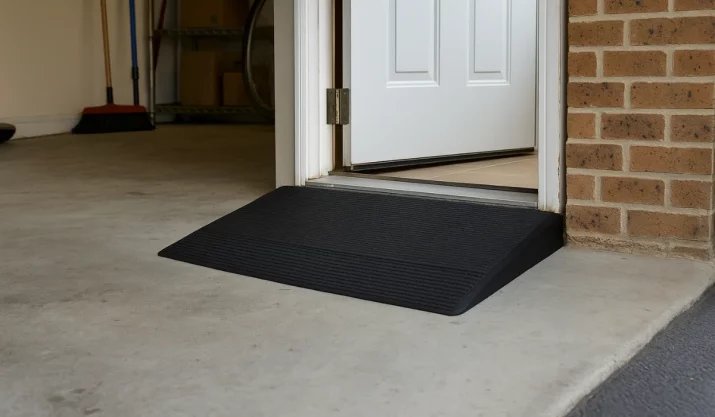
When you choose a company that understands Bay Area home styles, you can get a safer installation that reduces stair fall risk. If your home needs additional accessibility support, we can also install wheelchair ramps or platform lifts for entrances and hallways.
Choosing the Right Stair Lift Model for Your Home
Choosing the best stair lift depends on your home’s layout, your mobility needs, and your budget. Straight stair lifts are best suited to stairs with no turns. Curved stair lifts work on stairs with turns or split levels. You can also install outdoor stair lifts for decks or porches that face rain, wind, and sun.
Bruno stair lifts and Access BDD models are two trusted options in California. They offer strong builds, adjustable seats, and higher weight limits. Each unit includes safety features and an optional lifetime warranty.
If you prefer other options, such as wheelchair lifts, platform lifts, or small Home Lifts, they may be well-suited for larger or multi-floor homes. These options help people who use a power chair or walker move between floors without help.
At California Mobility, we can help you compare stair lift costs, models, and features to find a good fit for your home and budget. We also offer used stair lifts for homeowners seeking a lower-cost option without sacrificing quality.
Understanding Pricing, Warranty, and Long-Term Value
Stair lift pricing in the Bay Area varies by model, track length, and installation complexity. A straight stair lift usually costs less than a custom curved model due to a simpler design and fewer materials. The cost of installing a stair lift in the Bay Area varies depending on several factors.
A well-built Bruno lift can run more reliably and may need fewer service visits over time. Many professional installations include a lifetime warranty or an extended service plan that covers major components.
At California Mobility, we also offer a free consultation and clear pricing to help you plan your costs. A stair lift may seem expensive at first, but it can cost less than major remodels or assisted living. With regular care, a stair lift can last for many years and help people ride the stairs more safely.
Making the Right Stair Lift Choice for Your Bay Area Home
Older Bay Area homes have charm, but they also come with challenges. Whether you live in San Francisco, Oakland, or Union City, a stair lift can help you use more of your home without altering its look.
At California Mobility, our team can guide you, install the lift, and offer durable models. Steep or narrow stairs do not have to block access to parts of your home.
Contact us today or request a free quote to explore stair lift options that can make your Bay Area home easier and safer to use.