

San Diego Home Lift Costs: A 2026 Comparison
Table of Contents
- Key Takeaways
- Understanding Home Lift Cost in San Diego
- Average Costs of Home Lift Systems in San Diego (2026)
- Factors That Affect Home Lift Prices
- Types of Home Lifts in 2026
- Installation Process for San Diego Homes
- Maintenance, Functionality, and Long-Term Value
- Retrofitting and Renovations
- Energy Efficiency and Environmental Impact
- The Value of Home Accessibility
- Making the Right Home Lift Choice for Your San Diego Home
- FAQs
Installing a Home Lift can make your home easier and safer to move around in. In San Diego, many homeowners are installing Home Lifts to improve comfort, mobility, and long-term accessibility.
Whether you live in a coastal home in Del Mar or a hillside home in Escondido, it helps to know the real cost of a Home Lift that San Diego residents can expect in 2026. This information makes it easier to plan your project with confidence.
The average cost of a Home Lift depends on a few main factors, like your home’s layout, the home lift model, and the number of floors it will serve. Local building codes, permit requirements, and site accessibility also affect price.
Choosing a high-quality home lift from a reliable local company helps ensure your system remains safe, efficient, and reliable for many years. This guide explains residential home lift cost ranges, energy use, installation timelines, and long-term value. You will also see how each home lift model compares, so you can choose one that fits your home and daily life.
Key Takeaways
- The average installed Home Lift cost in San Diego ranges from $28,000 to $75,000, depending on the home lift model, size, and features.
- Common home lift types include hydraulic, traction, pneumatic, and shaftless models, each with different features and energy use.
- Maintenance costs range from $200 to $800 per year, depending on how often you use the home lift and the type of system you choose.
- Installing an home lift adds comfort, improves accessibility, and can increase your home’s value.
Understanding Home Lift Cost in San Diego
The cost of a Home Lift in San Diego varies widely, depending on the system’s complexity and your home’s construction. In 2026, the average installed cost of a residential home lift in San Diego ranges from $30,000 to $60,000. Larger or more advanced systems with custom finishes or extra safety features can reach $70,000 or more.
Homes built during new construction usually cost less to add an home lift because the builder can incorporate the shaft into the original design. For existing homes, adding an home lift during renovations may need extra framing, wiring, or wall removal.
Compact home lift models, such as pneumatic or shaftless units, often need less space and less construction work, which can lower total costs. Planning the home lift around your home’s layout helps ensure it works well and looks like it belongs in the space.
Coastal homes in areas such as La Jolla or Coronado may require weather-resistant materials, which can slightly increase the total cost.
At California Mobility, we offer high-quality Home Lift systems and professional installation services to help keep your project safe and code-compliant. When you work with an experienced Home Lift company, our team can install the system to meet safety codes and match your home’s needs.
Average Costs of Home Lift Systems in San Diego (2026)
The average cost for a Home Lift in San Diego varies based on design, materials, and the number of floors.
| Home Lift Type | Average Installed Cost (San Diego, 2026) | Maintenance Cost (Annual) | Energy Efficiency | Notes |
|---|---|---|---|---|
| Hydraulic Home Lift | $35,000–$55,000 | $400–$800 | Moderate | Smooth ride, reliable, requires a machine room |
| Traction Home Lift | $40,000–$65,000 | $350–$700 | High | Quiet, efficient, compact design |
| Pneumatic (Vacuum) Home Lift | $45,000–$75,000 | $200–$400 | Very High | Compact, uses air pressure, perfect for less space |
| Shaftless Home Lift (Stiltz/Home Lift) | $28,000–$45,000 | $250–$500 | High | Ideal for existing homes or renovations |
| Platform or Vertical Platform Lift | $10,000–$25,000 | $150–$300 | Moderate | Great for wheelchair users and outdoor spaces |
These lift costs reflect San Diego’s average labor rates and permitting requirements for 2026. Larger homes or properties on slopes may need additional site preparation or hoistway construction.
A stair lift can cost much less than a full home lift, but it serves only one staircase. For long-term accessibility and comfort, an in-Home Lift is a better investment that improves your home’s value and mobility.
Understanding these price ranges helps you plan your budget and explore financing options for your Home Lift in San Diego.
We provide home lifts designed for California’s climate and built with durable, energy-efficient components.
Factors That Affect Home Lift Prices
Every installation is different, but several common factors determine the final cost of a Home Lift in San Diego:
1. Type of Home Lift and Drive System
Each home lift model uses a different drive system, which affects price and energy use.
- Hydraulic home lifts are strong and reliable, but they need a machine room.
- Traction home lifts use less energy and run more quietly.
- Pneumatic home lifts use air pressure and are easier to install because they need less structural space.
2. Machine Room and Hoistway
Some home lifts need a separate machine room or an enclosed hoistway. Others, such as many traction or pneumatic systems, do not require either. When there are fewer construction steps, the overall lift cost often goes down.
3. Number of Floors and Weight Capacity
The taller your home and the higher the weight capacity, the more likely the home lift will cost. Each additional floor typically adds $8,000 to $10,000 to the installation cost.
4. Home’s Layout and Site Preparation
Homes with narrow staircases or complex layouts may need extra framing or structural support. Planning your home lift around your home’s layout can make it easier to use and safer.
5. Renovations or New Construction
Installing an home lift in an existing home typically uses more labor and often needs permits for structural work. New construction projects usually cost less because the builder can place the shaft space into the plans from the start.
Our team can inspect your property, recommend the right model for your structure, and install it for long-lasting performance.
Types of Home Lifts in 2026
Homeowners in San Diego have more choices than ever before when it comes to Home Lifts. Each type offers unique benefits in cost, appearance, and functionality so that you can choose the best Home Lift for your San Diego home.
- Hydraulic Home Lifts: Hydraulic home lifts operate on a piston-and-fluid system. They deliver a steady, smooth ride and can carry heavy loads. They work best in larger homes but need a separate machine room, which takes up more space.
- Traction Home Lifts: Traction home lifts use a counterweight and steel cables to lift the home lift car. They are very energy-efficient and quiet, making them popular among modern homeowners. This home lift model does not require a machine room, saving space.
- Pneumatic (Vacuum) Home Lifts: Pneumatic or vacuum home lifts use air pressure to move between floors. They take up less space and offer a sleek, modern design. The transparent home lift cab provides a panoramic view, a feature many homeowners enjoy in contemporary San Diego homes.
- Shaftless Home Lifts (Stiltz Models): A shaftless home lift, often called a home lift, connects two floors directly. These systems are compact and easy to install, making them ideal for renovations and existing homes.
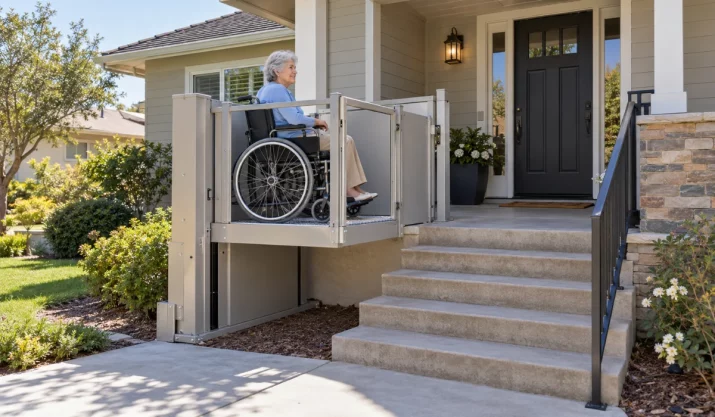
- Platform and Vertical Platform Lifts: Platform lifts and vertical platform lifts help wheelchair users move safely between levels. These systems are usually installed near entryways or garages and are excellent for short distances.
Our team installs Bruno and Access BDD home lifts and lifts, offering durable systems with advanced safety features and smooth functionality.
Installation Process for San Diego Homes
The installation process for Home Lifts in San Diego usually takes four to eight weeks. It includes design planning, permitting, construction, and inspection.
- Site Preparation: Technicians handle framing, electrical wiring, and power setup.
- Hoistway or Platform Construction: Custom-built or prefabricated, depending on the home lift model.
- System Installation: Placement of the home lift cab, drive system, and safety components.
- Testing and Final Inspection: Ensuring everything meets California safety standards.
In San Diego, permit approval usually takes two to four weeks. Homes near the ocean may require corrosion-resistant materials to withstand increased moisture and salt exposure.
We manage every part of the installation so your new home lift is safe, code-compliant, and ready for long-term use.
Maintenance, Functionality, and Long-Term Value
Once installed, a Home Lift requires regular maintenance to remain in good condition. Maintenance visits usually cost $200 to $800 per year, depending on how often you use the home lift and the system type.
Technicians inspect the drive system, brakes, cables, and safety features, including emergency alarms and door sensors. Regular service helps the home lift run smoothly and can extend its service life.
Beyond convenience, installing a Home Lift can increase your home’s value. Homes with home lifts often appeal to buyers seeking modern comfort and improved accessibility.
For people who plan to age in place, an in-Home Lift can provide both independence and safety.
At California Mobility, we offer maintenance programs and service plans across San Diego to help keep your home lift running smoothly.
Retrofitting and Renovations
Adding a Home Lift to an existing house can be easier than many homeowners expect. Newer home lift technology enables compact systems that require less construction.
Shaftless and pneumatic home lifts are a good choice for renovations because they do not need a full shaft or a machine room.
Older homes in areas like North Park or Point Loma often have limited space, so a small-footprint home lift model can provide full function without major remodeling.
New-construction projects offer homeowners greater flexibility because the builder can include the home lift in the design from the start.
Whether you are building a new home or upgrading your current one, professional planning helps your home lift fit your home’s layout.
Energy Efficiency and Environmental Impact
Energy efficiency is an important part of modern home lift designs. Modern residential home lifts use efficient motors, LED lighting, and automatic shutoff systems to reduce power consumption.
Pneumatic home lifts are among the most efficient models because they use air pressure to lift and lower the cab.
Traction home lifts are also very efficient. Some models use regenerative drives that capture energy as the home lift descends.
Choosing an energy-efficient home lift can lower your utility costs and also support California’s environmental goals. Many homeowners in San Diego also pair their home lifts with solar panels to further reduce energy use.
We offer energy-efficient home lift models that meet California energy standards while still providing strong performance and safety.
The Value of Home Accessibility
Installing an home lift improves home accessibility for seniors, families, and people with mobility challenges. It removes barriers between floors and can reduce the risk of falls. Reducing fall risk matters because the CDC reports that falls are a leading cause of injury among older adults.
When it is safer to move between levels, daily routines become easier and more comfortable.
A residential home lift also supports aging in place by allowing homeowners to stay in the homes they love rather than move due to stairs or mobility limitations.
For families, it adds convenience when carrying groceries, laundry, or heavy items between floors and can further reduce the risk of falls.
Home accessibility features, such as home lifts and platform lifts, not only improve comfort but also increase your home’s value.
Many buyers in California look for homes planned with long-term safety in mind, especially homes that make aging in place easier.
We specialize in accessibility products, including home lifts, stair lifts, and vertical platform lifts, to make homes safer and easier to navigate for everyone.
Making the Right Home Lift Choice for Your San Diego Home
Choosing the right Home Lift comes down to your space, comfort needs, and how you plan to use it each day. The best choice is one that fits seamlessly into your home and supports your lifestyle.
Our team at California Mobility can guide you through the options and help you select a model that feels natural for your home.
If you want clear next steps, reach out for personalized help. Contact us today or request a free quote.