

Senior Tech Trends for Safer Living at Home in California

Table of Contents
Many older adults want to stay in the home they love for as long as possible. Familiar spaces, routines, and nearby family or neighbors all play a role in maintaining comfort and independence. As people age, though, everyday tasks can start to feel more difficult. Simple activities like moving around the house, remembering medications, or staying connected with family may require extra support.
Many families now use technology to help seniors manage daily needs. Devices designed for safety, communication, and health tracking can make daily routines easier. The most helpful tools are simple devices with only a few clear features. They focus on solving one or two real problems.
Many of these senior technology trends support senior living at home by reducing risks and helping families stay connected. From fall detection wearables to smart lighting and telehealth visits, these tools can support independence without changing the feel of home.
Key Takeaways
- The best tech trends help older adults with safety and simple routines.
- A wearable with fall detection can help in emergencies.
- A smart home setup can reduce extra walking, especially at night.
- Telehealth can support care without extra trips.
- Remote monitoring systems can help families check in.
- Home lifts can reduce stair risk and support safer living at home for people aging in place.
Senior Technology Trends That Matter Most
Senior technology trends appear in more homes each year as technology adapts to the needs of an aging population, as reflected in many senior technology statistics. They focus on safety, support, and easier routines for older adults.
Wearables That Focus On Safety
A wearable is a small device you wear, often on the wrist. Many smartwatches include fall detection and a help button. Fall detection or the help button can alert others if someone falls and cannot reach a phone. Some wearable devices also support basic health monitoring, helping track simple home health indicators.
Smart Home Comfort and Control
A smart home setup can help with lights, locks, and thermostats. Smart home technology is one of the most useful tech trends for senior living at home. Many families start with smart-home technology that turns on lights at night. Automatic lighting at night helps people move around the home more safely and can improve the quality of life.
Telehealth From Home
Telehealth lets people talk with healthcare providers without leaving home. It grew during the pandemic, and many families still use it. It can cut down on travel and help families stay on top of healthcare needs.
New Technology with Smarter Features
Some new technologies use artificial intelligence. You may see AI-powered tools in phones that help with reminders or spam call blocking. These advancements can help some older adults, but simple tools still work best for many homes. You may also hear about robotics, mostly in larger senior living settings.
Tools That Support Mobility, Safety, Independence
Here are some tools that match real needs at home. Start with safety, then add what helps your home routine and wellness.
Fall Detection and Emergency Alerts
Some devices focus on fall detection and quick alerts. These tools can help families act fast when something goes wrong. For many older adults with mobility issues, a fast alert can be a big help.
Medication Reminders
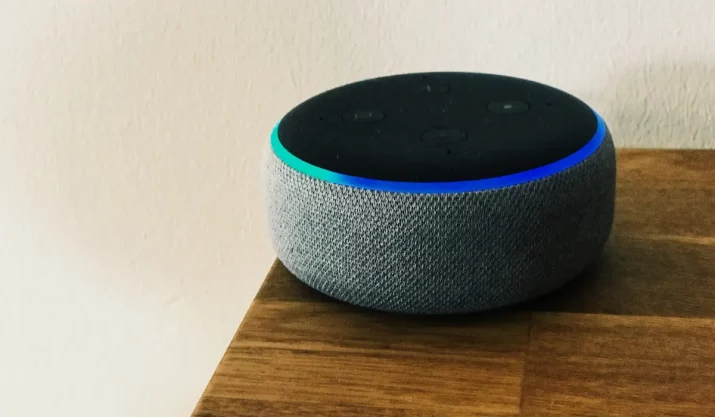
Medication reminders can come from a phone, a speaker, or a watch. They help people keep a steady routine, which supports healthy aging and day-to-day well-being.
Simple Health Monitoring at Home
Some tools track vital signs, such as heart rate. This kind of health monitoring can be useful for some people with chronic conditions. Talk with a healthcare provider or a healthcare team member to decide what matters for your home.
Phones, Smart TVs, and Connection
Smartphones help with calls, texts, and video chats, and some families also add easy-to-use tablets for seniors to make communication and apps easier to manage. Smart TVs are another simple option for viewing photos or streaming video calls with family.
Used with care, social media can help some people stay in touch. Staying in touch online can support social connection and mental health, which matters in senior living.
Remote Monitoring for Added Support
Some families choose remote monitoring for extra support, especially when monitoring elderly parents remotely. These monitoring systems can send real-time alerts if routines change. That helps caregivers check in without needing to call throughout the day. Use remote monitoring when it fits the home and the person’s comfort level.
How to Choose Senior-Friendly Tech
Buying tech should be simple. These tips help families pick tools that will actually get used in real daily lives.
Start with One Clear Goal
Pick one need first: safety, reminders, or staying in touch with loved ones. Too many devices can be confusing. Many homes that support senior care run into this issue when families add too many devices.
Look for Easy Use
Good usability matters more than fancy features. Look for large text, loud sound, and clear buttons. The main function should be easy to find.
Watch Costs and Digital Services
Some tools come with monthly fees. Some also use digital services that store data online. Review costs before you buy, and keep the household plan simple.
Setup, Training, and Privacy Basics
Setting up and practicing can decide if a tool helps or gets ignored. A calm start helps both older adults and caregivers.
Set Up Together
Set up the device with the person who will use it. Add key contacts. Turn on alerts. Keep the screen simple. If the person receives home care or other in-home help, include that helper in the setup.
Practice the Main Steps
Practice the help button and key actions. Keep training short. Repeat it later. Small practice sessions work better than long lessons.
Keep Privacy Simple
Review sharing settings and app access. Limit who can see alerts and data. These privacy steps protect personal information and give families more confidence about how alerts and data are shared.
Know When In-Person Help Matters
Some people need in-person help to learn how to use a device. That is normal. In some cases, simple training can be part of the interventions a family uses to support safer routines at home.
Schedule an In-Home Mobility Assessment in California
Technology can help with safety, but stairs are a common source of falls in many homes. If stairs are hard, you may need a home change, not another device.
At California Mobility, we provide mobility and accessibility solutions that help homeowners improve movement throughout the home. Home lifts can help people move between floors more easily and reduce the need to use stairs.
Contact us today to learn more about home lift options and accessibility solutions for safer living at home.