

Home lift pet safety tips for California households
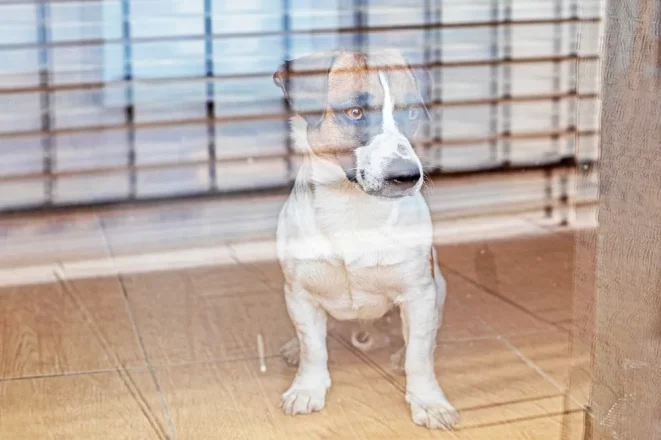
Table of Contents
If you have a home lift and a four-legged family member, you already know pets are curious — and that curiosity can lead them straight into harm’s way. Home lift pet safety is something a lot of California families overlook until a close call happens. A few simple habits and some smart setup choices can keep everyone safe, including the dog who insists on being wherever you are.
Key Takeaways
- Always know where your pet is before you operate your home lift or stairlift.
- Physical barriers like baby gates are one of the easiest ways to keep pets away from lift entry points.
- Training your pet to stay clear of the lift takes time but makes a real difference.
- Regular equipment checks help you spot anything a pet may have chewed, scratched, or knocked loose.
Why pets and home lifts are a risky mix
Pets don’t understand how a lift works. To your cat, the platform is just a moving surface to investigate. To your dog, the hum of the motor might be alarming — or oddly interesting.
Home lifts and vertical platform lifts have moving parts, gates, and sensors designed to protect people. But a small animal sitting or standing in the wrong spot at the wrong moment can confuse those sensors or, worse, get caught in a moving component.
In California homes — especially older craftsman bungalows, split-levels, or hillside houses common in the Bay Area and Sacramento foothills — lifts are often installed in tight spaces. That leaves less room for error when a pet wanders in.
Set up physical barriers around your lift
The single most reliable thing you can do is put something between your pet and the lift entrance when it is not in use.
A simple pressure-mounted baby gate works well for dogs. For cats, you may need a taller barrier or a door with a latch, since cats can clear most standard gates without breaking a sweat.
If you have a vertical platform lift installed outdoors — common in California homes with decks or raised entrances — make sure the area around the base is enclosed or gated. Outdoor spaces also attract wildlife, so a barrier protects against more than just your own pets.
For stairlifts, keep in mind that the rail runs along the full length of the staircase. Pets can get their paws, collars, or leashes tangled in the rail if they follow the chair up or down. A gate at the top and bottom of the stairs is a good habit, whether you use a lift or not.
Train your pet to stay clear
Barriers help, but training adds another layer of protection. Teaching your dog the “off” or “stay” command specifically around the lift area is worth the effort.
Start by rewarding your pet for staying away from the lift entrance on their own. Over time, they will learn that the lift zone is off-limits. Most dogs pick this up within a few weeks of consistent practice.
Cats are trickier, but they do respond to deterrents. A few double-sided tape strips along the edge of a platform, or a motion-activated air puff near the gate, can discourage them from treating the lift like a perch.
If your pet has severe anxiety around the sound or movement of the lift, talk to your vet. Some California pet owners work with a trainer for this specific kind of desensitization.
Home lift pet safety during operation
Never assume your pet is somewhere else. Before you call the lift or step onto the platform, do a quick visual check.
This is especially true in multi-story California homes where a pet can move between floors faster than you expect. Your dog might be downstairs one moment and at your feet the next.
Most modern home lifts have safety sensors that stop the unit if something is in the way. But sensors are a backup — not a substitute for paying attention. Rely on your own awareness first.
If you have a caregiver or family member who also uses the lift, make sure everyone in the house follows the same check-before-you-operate habit. It only takes one person forgetting to cause a problem.
Check your equipment regularly
Pets can do quiet damage over time. Chewing, scratching, and rubbing against equipment can wear down wiring covers, safety edges, or gate latches without anyone noticing right away.
Do a quick visual check of your lift area every month. Look for gnawed edges on any plastic covers, scratch marks near sensors, or anything that seems out of place. If your pet has been chewing on something near the rail or platform, stop using the lift and call for service.
California’s climate can also play a role. In hot inland areas like the Central Valley or desert regions, heat can make plastic components more brittle over time — which makes pet-related wear show up faster than it would in a cooler coastal climate.
If you notice anything unusual with how your lift is operating, reach out to the team at California Mobility. It is always better to have something checked than to wonder.
A note on ramps and stairlifts
Not every accessibility solution involves a lift. Ramps are actually a popular choice for pet-friendly households because there are no moving parts to worry about. Many California families use a ramp at an exterior entrance and a stairlift indoors.
If you are still deciding what equipment is right for your home, think about your pets as part of that conversation. The layout of your house, the size of your animals, and where they spend most of their time can all factor into the best choice for your family.
Talk to California Mobility about your setup
Every home is different, and so is every pet. The team at California Mobility has helped families across Sacramento and throughout California find solutions that work for everyone in the household — including the furry ones.
If you are ready to talk through your options, request a free quote online or give us a call at (916) 560-0607. We are happy to answer questions and help you figure out what setup makes the most sense for your home.
Frequently Asked Questions
Can a pet accidentally activate my home lift? Most home lifts require a deliberate button press or key switch to operate, so a pet accidentally starting the lift on their own is unlikely. That said, some curious dogs or cats may bump controls if they are mounted at a low height. Talk to your installer about control placement if this is a concern.
What should I do if my pet gets onto the lift platform? Stop the lift immediately using the stop button and calmly remove your pet before continuing. Do not try to shoo them off while the lift is moving. Once your pet is safely away from the platform, do a quick check to make sure nothing was disturbed before you resume use.
Are certain types of lifts safer around pets than others? Enclosed home lifts with a full cab and door tend to be easier to control around pets because the entry point is clearly defined and can be kept closed. Open platform lifts and stairlifts require more attention since animals can approach from multiple directions. A California Mobility specialist can walk you through the differences based on your home and pets.
My dog is afraid of the lift noise. What can I help? This is fairly common, especially with dogs that are sensitive to sound or vibration. You can help by running the lift while your dog watches from a distance, gradually moving them closer over several sessions as they grow comfortable. If the anxiety is severe, a veterinarian or certified animal behaviorist can offer more structured guidance.