

Home lift lighting options for San Francisco homes
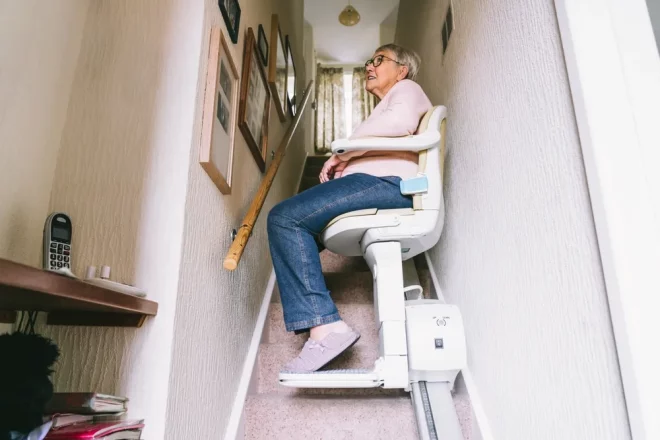
Table of Contents
- Why lighting inside a home lift matters more than people expect
- Common home lift lighting options
- Lighting at the landing: don't overlook the entry and exit points
- How San Francisco's housing stock affects your lighting choices
- Talk lighting through before you finalize your order
- Frequently Asked Questions
Good lighting inside a home lift is one of those details that makes a real difference every single day. If you’re looking at home lifts for a San Francisco property, understanding your home lift lighting options early in the process helps you choose a setup that works well for years to come. San Francisco’s foggy mornings and older Victorian and Edwardian homes can leave interior spaces darker than you’d expect, which makes this topic especially worth thinking through.
Key Takeaways
- Built-in LED lighting is the most common and energy-efficient choice for home lift cabins
- San Francisco’s fog and older home layouts often mean interior spaces need extra lighting consideration
- Motion-activated and adjustable lighting can improve safety for seniors with low vision
- Lighting should be discussed with your installer before purchase so it’s built into the plan from the start
Why lighting inside a home lift matters more than people expect
Most people shopping for a home lift focus on weight capacity, cab size, and drive type. Lighting often doesn’t come up until after installation — and by then, changes can be more complicated.
Inside a lift cab, poor lighting can make it hard to read controls, spot the floor edge when exiting, or feel comfortable during the ride. For older adults with low vision or depth perception changes, a dimly lit cab creates a real hazard. This is especially true in multi-story San Francisco homes where the lift may stop at a landing that doesn’t get much natural light.
Common home lift lighting options
Built-in LED ceiling lights
Most modern home lifts come with built-in LED lighting as a standard or optional feature. LEDs are a smart choice because they’re bright, long-lasting, and don’t produce much heat in a small enclosed space.
Many lift manufacturers offer warm-white or cool-white LED options. For seniors, warm-white (around 2700–3000K) tends to feel easier on the eyes. It also blends better with the warm wood tones common in San Francisco’s older homes.
Under-rail and floor-level lighting
Some lift models include lighting along the lower edges of the cab or beneath the handrail. This kind of accent lighting helps illuminate the floor of the cab and the threshold, which is where most trips and stumbles happen.
Floor-level lighting is particularly useful at night. If someone needs the lift at 2 a.m., bright overhead lights can be jarring. A softer floor-level glow gives enough visibility without being harsh.
Motion-activated lighting
Several home lift systems can be paired with motion-activated lights at the landing areas — not just inside the cab, but at each floor where the lift opens. When someone approaches the lift, the light comes on automatically.
This removes the need to fumble for a switch in a dark hallway. In older San Francisco homes with narrow corridors and limited outlet placement, a motion-sensor solution can be much easier to install than adding a new wall switch.
Adjustable brightness controls
Some lift models include dimmer controls or settings that let users adjust the brightness inside the cab. This gives flexibility — brighter during the day when contrast helps with visibility, softer in the evening.
If the person using the lift has light sensitivity due to certain medications or eye conditions, adjustable lighting is worth asking about specifically. It’s a detail that’s easy to arrange upfront but harder to add after the fact.
Lighting at the landing: don’t overlook the entry and exit points
The cab itself is only part of the picture. The floors where the lift opens — especially basement-level or attic-level landings in San Francisco’s multi-story homes — can be poorly lit on their own.
Good landing lighting means the floor is clearly visible when the cab door opens, the step-off point is well defined, and there’s enough light to see controls on the wall panel. An installer from California Mobility can walk through each landing with you and flag spots where additional lighting may be needed beyond what comes with the lift itself.
If your home has a vertical platform lift installed outdoors — something not uncommon given San Francisco’s steep lots and hillside properties — weather-rated outdoor lighting at the top and bottom landings becomes even more important. Fog and overcast skies can make outdoor landings dark even during the day.
How San Francisco’s housing stock affects your lighting choices
San Francisco has a high concentration of Victorian, Edwardian, and mid-century homes. These houses often have smaller windows, dark interior woodwork, and less ambient light than a modern open-plan home. Hallways and stairwells in these homes tend to be narrow and dim.
If your home lift is being installed in one of these older properties, it’s worth paying extra attention to how lighting inside and around the lift connects to the existing light in the room. Your installer may recommend additional recessed lighting near the lift entrance or a brighter cab option to compensate.
This is also relevant if you’re considering an indoor stairlift as an alternative or complement to a home lift. Stairwell lighting matters there too — a well-lit staircase helps everyone in the house, not just the lift user.
Talk lighting through before you finalize your order
Lighting choices are usually made at the point of ordering the lift, not after. Some upgrades can be added later, but built-in cab lighting and any integrated controls need to be spec’d before the unit ships.
When you get a quote or consult with a California Mobility advisor, ask specifically: what lighting does this model include, what can be upgraded, and what do you recommend for a home like mine? A brief conversation upfront saves a lot of back-and-forth later.
Ready to talk through your home lift options for your San Francisco home?
The team at California Mobility works with families across California to find home lifts that fit the home, the user, and the budget. Request a free quote online or call us directly at (916) 560-0607. We’re happy to talk through lighting, cab options, and anything else on your list — no pressure, just straight answers.
Frequently Asked Questions
Do all home lifts come with built-in lighting? Most modern home lifts include some form of built-in cab lighting, but the quality and brightness vary by model and manufacturer. Some include only basic overhead lighting, while others offer LED upgrades, floor-level accent lights, or dimmer controls. It’s worth reviewing the lighting specs for any model you’re considering before you commit.
Can I add better lighting to a home lift after it’s already installed? It depends on the lift model. Some systems allow lighting upgrades or add-ons after installation, while others make changes more difficult once the unit is in place. The easiest approach is to ask about lighting options during the quoting process and make those decisions upfront so everything is built in from the start.
What kind of lighting works best for someone with low vision? For someone with low vision, brighter overall cab lighting combined with floor-level or threshold lighting tends to work best. Warm-white LEDs are generally easier on aging eyes than harsh cool-white bulbs. If brightness sensitivity is a concern, look for a model with adjustable lighting settings so the user can find a comfortable level.
Does outdoor lighting matter for home lifts installed outside? Yes, especially in San Francisco where fog and overcast skies can darken outdoor spaces even during daylight hours. For outdoor lifts, including vertical platform lifts on hillside properties, weather-rated lighting at the top and bottom landings is a sensible addition. It helps users see the entry and exit points clearly in low-light conditions and makes the lift safer to use year-round.