

Home Lift Design Guide: Cab Size, Doors, Controls, And Accessibility Choices
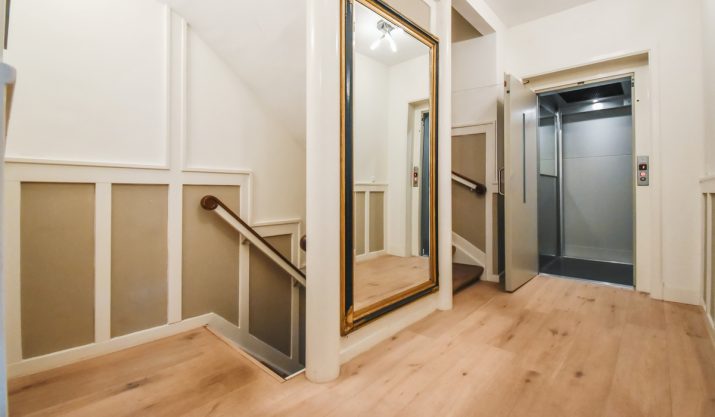
Table of Contents
Choosing the right Home Lift design often starts with one clear need. You want to move between floors safely without giving up comfort or style. For many California homeowners, stairs become harder to use after an injury, surgery, or as part of aging in place. A well-planned Home Lift solves this problem while fitting naturally into your home.
Home Lift design involves more than appearance. It affects how easily you move, how much space the home lift needs, and how well it works in both existing homes and new builds. In areas like Orange County and the Bay Area, where many homes have multiple levels, these details matter.
This guide explains the main parts of Home Lift design. You will learn about cab sizes, doors, controls, accessibility features, and home lift systems. Each section explains what to consider so your home lift supports safety, daily use, and long-term comfort.
Key Takeaways
- Home Lift design should match your floor plan, mobility needs, and long-term plans.
- Cab size and door style affect comfort, wheelchair access, and future resale value.
- Control placement and safety features support safe and easy daily use.
- Working with experienced installers helps avoid design mistakes and added costs.
Choosing The Right Cab Size And Layout
Home Lift design often begins with the home lift cab. The cab size determines who can use the home lift and how comfortable it feels to use it. A smaller home lift lift may work for standing riders, while a larger cab fits wheelchairs, walkers, or caregivers. Many residential home lift models offer standard sizes, while custom options allow more flexibility.
In many homes, cab size ties directly to the floor plan. Limited space may require shaftless home lifts or compact home lift systems. Larger homes allow a full hoistway with space for a wider cab. Materials like stainless steel panels or glass walls can make the cab feel more open.
At California Mobility, we offer a range of Home Lift options for different needs. Our team also helps homeowners select a cab size that matches their space and daily needs.
Whether you are planning a renovation or adding a Home Lift installation to an existing home, local installers can guide you through layout options that meet code and comfort goals.
Door Styles And Entry Configuration
Door selection plays a major role in how a Home Lift works. Sliding doors are common because they save space and are easy to operate. Swing doors work in some residential lifts, but they require more clearance. The right door choice improves safety and makes entry smoother, especially for wheelchair users.
Glass home lifts often use automatic sliding doors to create a clean, open look. This setup works well in custom homes or luxury home lifts where interior design matters. Door width must align with accessibility needs and local building rules.
At California Mobility, we help homeowners balance door style, safety needs, and space limits. By reviewing your home layout, installers can suggest door options that support daily use and long-term comfort.
Controls, Lighting, And User-Friendly Features
Control placement is another key part of a Home Lift. Buttons should be easy to reach from both seated and standing positions. Clear labels, backlit controls, and simple layouts make the home lift easier to use for everyone. Good lighting inside the cab improves visibility and comfort.
Many modern home lift systems include emergency controls, phone access, and soft-start movement features. These safety features help riders feel safe on every trip. In California, homeowners may also choose power backup options for added reliability.
We focus on control layouts that match real-life use. Installers review your needs to confirm controls work well for seniors, caregivers, and guests.
Drive Systems And Home Lift Types
The drive system affects how your Home Lift moves and operates. Hydraulic home lifts offer smooth travel and are common in residential homes. Pneumatic vacuum home lifts, also called PVE systems, use air pressure and often take up less space than other home lifts.
Some lift systems require a machine room, while others include all parts in a single unit. Shaftless home lifts and home lifts often work well in existing homes with limited space. In new construction, homeowners usually have more system choices because builders plan the hoistway and support structure early.
We help homeowners compare Home Lift models and drive system options. Local installers explain what works best for your home layout, noise concerns, and maintenance needs.
Accessibility And Long-Term Planning
Home Lift design should always consider future needs. Even if you do not use mobility aids now, planning for aging in place adds long-term value.
The CDC reports that falls are a leading cause of injury among older adults, and many of those falls happen on stairs. Wider doors, lower controls, and smooth entry reduce daily strain and lower the risk of trips as mobility changes over time.
Many homeowners compare Home Lifts to stair lifts when thinking about fall prevention. Stair lifts can help in the short term, but residential lifts remove the need to transfer, carry items, or balance on steps.
That added stability supports safer movement between floors and works well for wheelchairs, walkers, and caregivers, especially in multi-story California homes.
By focusing on safety, accessibility, and smart planning from the start, you can create a home that continues to work for you while reducing fall risks and supporting independence for years to come.
Making The Right Home Lift Design Choice For Your California Home
Choosing the best home lift in your home is about creating a setup that fits how you live today and how your needs may change over time. When the design matches your home layout and daily routines, moving between floors feels natural instead of forced.
Thoughtful planning early in the process helps avoid layout limits, clearance issues, and future adjustments. With the proper guidance, a Home Lift can feel like a built-in part of your home rather than an add-on.
At California Mobility, we work with homeowners across California to plan home lift designs that fit real homes and real needs.
Contact us today or request a free quote.