

Bathroom fall prevention tips for San Jose homes
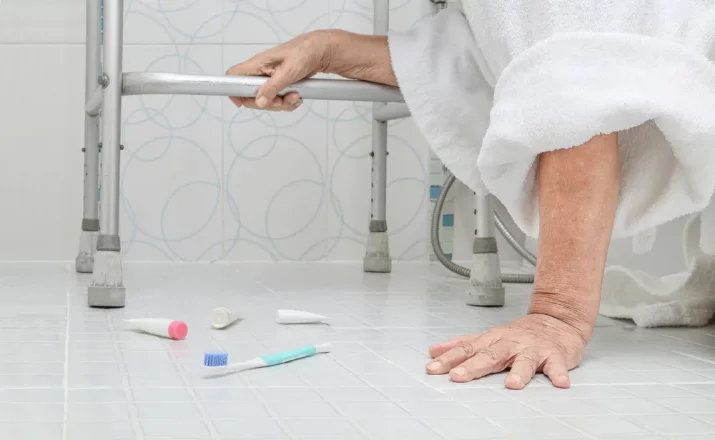
Table of Contents
- Why bathrooms are especially risky for San Jose seniors
- Start with the floor
- Install grab bars in the right places
- Consider a walk-in shower or tub conversion
- Improve the lighting
- Keep the space clear
- Think about the rest of the home too
- Talk to California Mobility about home safety options
- Frequently Asked Questions
The bathroom is where most home falls happen — and that’s especially true for older adults. If you or a family member is navigating a San Jose home with slippery tile, tight spaces, or a tub that’s hard to step over, a few targeted changes can make a real difference. These bathroom fall prevention steps are straightforward, affordable, and worth doing sooner rather than later.
Key Takeaways
- Grab bars, non-slip mats, and a handheld showerhead are among the easiest and most effective changes you can make
- Walk-in showers and roll-in shower conversions remove one of the biggest fall hazards — the tub ledge
- Good lighting and clutter-free floors matter just as much as the fixtures themselves
- If mobility challenges go beyond the bathroom, equipment like stairlifts and ramps can help with the rest of the home too
Why bathrooms are especially risky for San Jose seniors
Bathrooms combine wet floors, hard surfaces, and tight spaces — a combination that leads to more falls than almost any other room in the house. For older adults, a fall in the bathroom can mean a serious injury, a hospital stay, or a loss of independence.
Many San Jose homes — particularly the ranch-style and split-level houses built in Willow Glen, Cambrian Park, and Evergreen — have original bathrooms that were never designed with aging in mind. Older tile floors get slippery when wet, and standard tubs require a high step that becomes harder to manage over time.
The good news is that most bathroom hazards can be fixed without a major remodel.
Start with the floor
Wet tile is the single biggest fall risk in most bathrooms. A non-slip bath mat inside the tub or shower is a quick fix, but it needs to be the kind with suction cups on the bottom — not just a decorative rug sitting on the floor.
Place a second non-slip mat outside the tub or shower so there’s something to step onto when getting out. Rugs with curled edges or rugs that slide on tile are hazards, not helpers. Remove them entirely or replace them with mats that stay flat and stay put.
If you’re planning a longer-term fix, anti-slip adhesive strips applied directly to the tile floor work well and are nearly invisible once in place.
Install grab bars in the right places
A towel bar is not a grab bar. This is a common mistake — towel bars are not built to hold a person’s weight, and grabbing one during a fall can make things worse.
Proper grab bars are mounted into wall studs or with toggle bolts rated for the weight. They should be installed:
- Inside the shower or tub — on the wall you face and on the side wall
- Near the toilet — on the side wall to assist with sitting down and standing up
- At the tub entry point — to help with stepping over the ledge
Grab bars come in a range of finishes including chrome, brushed nickel, and matte black, so they don’t have to look clinical. A handyman or certified aging-in-place specialist can install them for a reasonable cost.
Consider a walk-in shower or tub conversion
If stepping over a tub ledge has become difficult, a walk-in shower conversion is one of the most effective changes you can make. A zero-threshold shower — where the floor is level with the bathroom floor — eliminates the step entirely.
Walk-in showers are also easier to add a shower seat or bench to, which lets someone shower while seated if standing for long periods is tiring or unsteady. A handheld showerhead on a sliding bar adds even more flexibility and control.
Walk-in tubs are another option for those who prefer soaking baths. They have a door built into the side so you step in before filling the tub, rather than climbing over a ledge.
Improve the lighting
Poor lighting is an underrated fall risk, especially at night. Many bathrooms in older San Jose homes rely on a single overhead fixture that doesn’t light the floor well near the tub or toilet.
Adding a plug-in nightlight near the bathroom door gives enough light for nighttime trips without waking a sleeping partner. Motion-activated nightlights work especially well — they turn on automatically when someone enters the room.
If the main overhead light is dim, replacing it with a brighter bulb is a simple fix. The goal is to make sure there are no dark corners or shadows near the areas where someone is likely to step or reach.
Keep the space clear
Clutter on the floor is a tripping hazard. Hairdryers, extra towels, storage baskets, and step stools left on the floor all increase the risk of a fall.
Wall-mounted storage and shower caddies that hang from the showerhead keep toiletries off the floor and within easy reach. The fewer things on the floor, the safer the bathroom.
Also look at the toilet area. A raised toilet seat or a toilet safety frame (a freestanding rail that fits around the toilet) makes it easier to sit and stand without straining or losing balance.
Think about the rest of the home too
Bathroom safety is a great place to start, but falls can happen anywhere in the house. If getting up and down stairs is becoming a concern, a stairlift can keep every floor of your home accessible. For homes with entries or outdoor steps, ramps or vertical platform lifts are worth looking into as well.
Making the bathroom safer and making the whole home safer tend to go hand in hand. Small changes add up fast.
Talk to California Mobility about home safety options
If you’re ready to take the next step, California Mobility is a family-owned business serving San Jose and communities throughout California. We help seniors and their families find the right equipment and modifications to stay safe and independent at home.
Request a free quote online or call us at (916) 560-0607. We’re happy to answer questions and help you figure out what makes the most sense for your home and situation.
Frequently Asked Questions
Are grab bars hard to install in older San Jose homes? Most grab bars can be installed in a few hours by a handyman or contractor. The key is finding the studs in the wall or using the right mounting hardware for tile. Older homes sometimes have unusual wall construction, so it’s worth having someone who knows what they’re doing handle the installation to make sure the bars are secure.
What’s the difference between a grab bar and a suction-cup bar? Suction-cup grab bars attach to tile without drilling, but most safety experts don’t recommend them as a primary support because suction can fail — especially on older or textured tile. Permanent grab bars drilled into studs or with proper toggle bolts are far more reliable and are the right choice for anyone who depends on them for balance.
How much does a walk-in shower conversion typically cost? Costs vary depending on the size of the bathroom, the materials used, and whether any plumbing needs to be moved. A basic tub-to-shower conversion can start around a few thousand dollars, while a full zero-threshold remodel with tile work and fixtures will cost more. Getting two or three local estimates is a good way to understand what’s realistic for your home.
When should I think about equipment beyond bathroom modifications? If someone in your home is having trouble with stairs, getting in and out of the house, or moving between floors, bathroom grab bars alone won’t address the full picture. That’s a good time to look at options like an indoor stairlift or a home lift. A conversation with a mobility equipment specialist can help you figure out what changes will have the biggest impact.