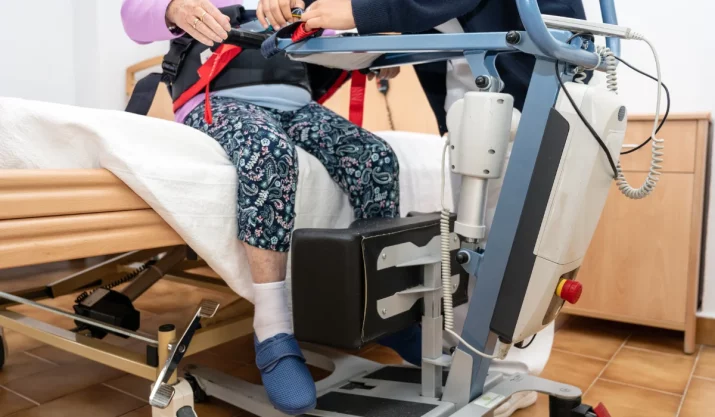


Wheelchair vs scooter tips for San Francisco seniors
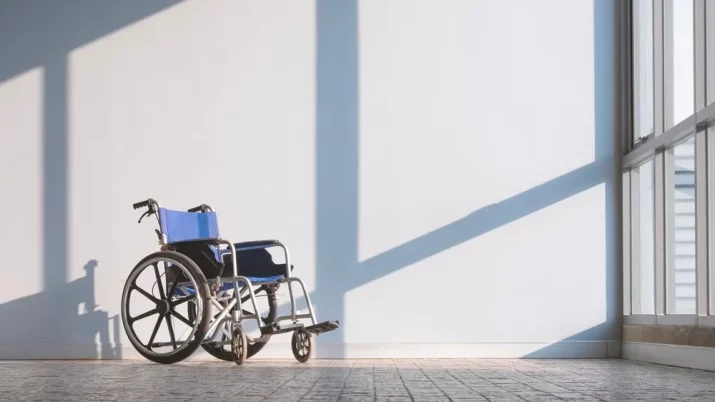
Table of Contents
- What's the real difference between a wheelchair and a mobility scooter?
- How San Francisco's hills and streets change the equation
- Indoor use: Victorian homes and tight spaces
- Who is a good fit for a scooter?
- Who is a better fit for a power wheelchair?
- What about manual wheelchairs?
- Think about the whole picture at home
- Talk to someone who knows California homes
- Frequently Asked Questions
Choosing the right mobility aid can make a big difference in daily life, but the wheelchair vs mobility scooter differences aren’t always obvious at first glance. For seniors living in San Francisco — with its steep hills, narrow Victorian hallways, and busy BART stations — the choice matters more than most places. This guide breaks it down in plain terms so you or your loved one can make a confident decision.
Key Takeaways
- Manual wheelchairs work best for people with upper-body strength or a caregiver pushing them; power chairs suit those who need full-time seated support.
- Mobility scooters are better for people who can walk short distances but tire easily on San Francisco’s hills and long sidewalks.
- San Francisco’s terrain, housing style, and public transit all affect which device will actually work for you day to day.
- Home accessibility — stairs, tight hallways, narrow doors — often needs attention alongside choosing a mobility device.
What’s the real difference between a wheelchair and a mobility scooter?
This is the first question most families ask, and it’s a fair one. Both devices help people get around, but they’re built for different situations.
A wheelchair — manual or power — keeps the user in a seated position with full back and postural support. Power wheelchairs are controlled with a joystick and can handle tight indoor spaces. Manual wheelchairs rely on the user or a caregiver to push.
A mobility scooter looks more like a small vehicle. It has a seat, handlebars or a tiller, and three or four wheels. Scooters are designed for people who can sit upright on their own and step on and off with some assistance. They’re typically better for longer distances outdoors than for tight indoor spaces.
How San Francisco’s hills and streets change the equation
San Francisco isn’t a flat city. Anyone who has walked up Filbert Street or waited for a Muni bus on a hill knows that even small inclines take a toll. For seniors, that challenge is multiplied.
Power wheelchairs generally handle inclines better than scooters because their weight is lower to the ground and their motors are built for sustained effort. If your loved one lives near Nob Hill, Pacific Heights, or the Castro, a power chair may hold up better on daily outings.
Three-wheel scooters can tip on steep hills, especially when turning. A four-wheel scooter is more stable, but even then, very steep grades — anything over 6 degrees — can be a problem. Check the manufacturer’s slope rating before buying.
Sidewalk conditions also matter. San Francisco sidewalks can be cracked and uneven, especially in older neighborhoods like the Haight or the Outer Sunset. Larger wheels on a scooter handle bumpy pavement better than small caster wheels on a power chair.
Indoor use: Victorian homes and tight spaces
San Francisco housing stock is older than in most California cities. Narrow doorways, steep interior stairs, and small bathrooms are common in the Victorians and Edwardians that line most residential blocks.
Scooters are harder to use indoors. Their turning radius is wider, and they don’t fit well in small rooms or hallways. If your family member needs to move around the house regularly, a power wheelchair will likely work better inside.
That said, mobility devices don’t solve every home accessibility problem. Many San Francisco homes have steps at the front door, stairs between floors, or sunken living rooms. A ramp can handle a few steps at an entrance. For getting between floors, an indoor stairlift or a vertical platform lift may be worth looking into alongside your mobility device decision.
Who is a good fit for a scooter?
Scooters are a good match for people who:
- Can walk short distances but tire out quickly
- Have enough balance and core strength to sit upright without full back support
- Want to get out to places like Fisherman’s Wharf, Golden Gate Park, or a neighborhood farmers market
- Need a device mainly for outdoor trips, not all-day use
If your loved one still drives or recently stopped, a scooter often feels more natural because of the tiller steering. Many seniors also find scooters less stigmatizing than a wheelchair, which matters for confidence and independence.
Who is a better fit for a power wheelchair?
A power wheelchair makes more sense when someone:
- Has limited upper-body strength or poor balance
- Needs to use the device most of the day, indoors and out
- Has a condition like Parkinson’s, ALS, or advanced arthritis that affects posture and control
- Travels frequently on BART or Muni, where a tighter footprint helps
BART stations in San Francisco are generally accessible, but cars can be crowded. A compact power chair is easier to position in the wheelchair space than a full-size scooter.
What about manual wheelchairs?
Manual chairs are lighter, less expensive, and easier to transport in a car. If a caregiver is doing most of the pushing, a manual chair can work well — but San Francisco hills will wear out even a strong caregiver quickly.
A transport chair (a lightweight manual chair with small rear wheels) is fine for short outings with a caregiver but isn’t practical for independent use in this city.
Think about the whole picture at home
Whichever device you choose, take a look at the home itself. Can the device get through the front door? Is there a way to charge it safely? Are there stairs inside that limit where the person can go?
A Home Lift or stairlift can open up the whole house instead of confining someone to one floor. If there are outside steps, an outdoor stairlift or a vertical platform lift can make getting in and out much easier.
Mobility aids and home modifications work best together. One without the other often leaves gaps.
Talk to someone who knows California homes
The California Mobility team works with families across the Bay Area and understands the specific challenges of San Francisco homes. Whether you’re figuring out the right device or need help making a home more accessible, we’re happy to talk it through.
Call us at (916) 560-0607 or request a free quote online. There’s no pressure — just straightforward answers from a family-owned team that’s been doing this work for years.
Frequently Asked Questions
Can I use a mobility scooter on San Francisco’s cable car or streetcar? Cable cars are not accessible for scooters or power wheelchairs, and most F-line historic streetcars have limited accessibility as well. BART and newer Muni Metro trains are a better option. Always check the current SFMTA accessibility guidelines before planning a trip on older transit lines.
Will Medicare cover a power wheelchair or scooter in California? Medicare Part B may cover a power wheelchair or scooter if your doctor documents that you need it for use inside your home and certain medical criteria are met. A scooter is covered under what Medicare calls a “power-operated vehicle.” The process involves a face-to-face exam and a written order, so start with your primary care doctor or specialist.
What door width do I need for a power wheelchair in my San Francisco home? Most power wheelchairs need a clear doorway of at least 32 inches, though 36 inches gives more comfortable clearance. Many older San Francisco homes have 28- to 30-inch doorways, which can be a problem. A contractor can widen doorways, and in some cases, offset hinges can add an inch or two without a major renovation.
How do I transport a scooter if I’m no longer driving? Many families use a vehicle lift or a fold-and-go scooter that breaks into lighter pieces and fits in a car trunk. Some adult children or caregivers transport the scooter separately. If the senior uses ride-share or paratransit through SF Paratransit, check ahead of time whether the vehicle can accommodate your specific device, as policies vary.