

Platform lift maintenance schedule for San Francisco homeowners
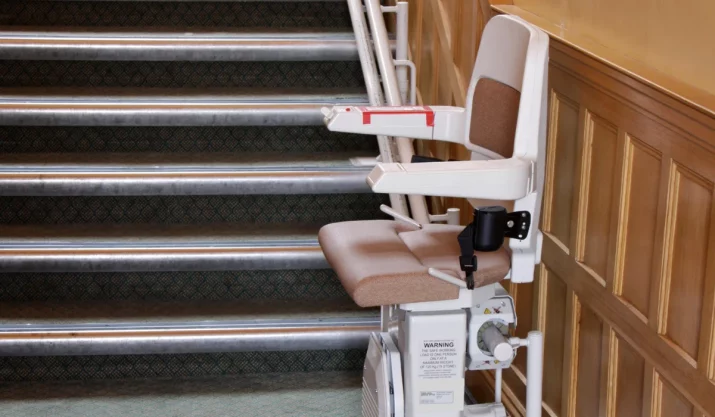
Table of Contents
A vertical platform lift can be the difference between staying in your San Francisco home and being forced to move. But like any mechanical equipment, it needs regular care to keep running safely. This vertical platform lift maintenance schedule gives San Francisco homeowners a clear, season-by-season plan to protect their investment and avoid costly breakdowns.
Key Takeaways
- San Francisco’s damp, salty air accelerates rust and wear on lift components, so monthly visual checks matter more here than in drier climates
- Most platform lift maintenance tasks are simple enough for owners to handle; a few require a certified technician once or twice a year
- Skipping maintenance can void your warranty and create safety risks for the people who depend on the lift most
- Keeping a simple logbook of every check and service call makes warranty claims and resale easier
Why San Francisco’s climate makes maintenance non-negotiable
San Francisco’s weather is mild compared to much of the country, but it is hard on mechanical equipment in its own way. The fog, coastal humidity, and salt air that roll in from the Bay create conditions where metal corrodes faster, rubber seals dry out sooner, and electrical connections can oxidize over time.
Many of the city’s homes are Victorian-era or Edwardian, with outdoor decks, steep staircases, and tight floor plans. If your platform lift is installed on an exterior deck or in an exposed garage, it faces more weather stress than a lift tucked inside a climate-controlled hallway.
The good news is that most of these problems are easy to catch and fix early. A few minutes of attention each month can prevent a repair bill that runs into the hundreds or thousands of dollars.
Monthly maintenance tasks you can do yourself
You do not need a technician to handle these basic checks. Set a recurring reminder on your phone and work through this list once a month.
Visual inspection Look over the entire lift — the platform, rails, tower, and safety edges. Check for anything that looks bent, cracked, or out of place. Pay close attention to any metal surfaces where paint has chipped away, since those spots are the first to rust in San Francisco’s damp air.
Test the safety features Every platform lift has obstruction sensors and safety edges that stop the lift if something is in the way. Press the platform edge gently with your hand or foot and confirm the lift stops or does not move. These sensors protect the people using the lift, so do not skip this step.
Clean the rail and platform Wipe down the rails with a dry or lightly damp cloth to remove dust, dirt, and any built-up grime. Keep the platform surface clean so there is nothing slippery underfoot. If your lift is outdoors, check for leaves or debris caught in the drive mechanism.
Check the battery backup Most modern platform lifts have a battery backup that keeps them running through a power outage. Run the lift through a complete cycle and confirm it operates normally. If the lift feels slower than usual or the low-battery indicator lights up, it may be time for a new battery.
Quarterly maintenance tasks
Every three months, go a little deeper with these checks.
Lubricate moving parts Apply lubricant to the rails, drive screw, or chain according to your manufacturer’s manual. Use only the product your manufacturer recommends — the wrong lubricant can attract dirt and cause more harm than no lubrication at all.
Inspect bolts and fasteners Vibration from regular use can loosen hardware over time. Go over every visible bolt and fastener with a wrench and snug up anything that has worked loose. Pay special attention to the anchor bolts where the lift attaches to the floor or wall.
Check wiring and connections Look at the control panel wiring and any visible electrical connections. You are not doing electrical work here — just looking for frayed wires, signs of moisture, or corrosion on connectors. If you see anything that concerns you, call a technician before using the lift again.
Annual professional service: what a technician checks
Once a year, have a certified technician perform a full service on your lift. This visit typically covers things you cannot safely check yourself.
What a professional inspection includes
- Full safety system test, including load testing
- Inspection and adjustment of the drive mechanism
- Electrical system check, including motor and control board
- Seal and gasket inspection, especially on outdoor units
- Lubrication of internal components not accessible to homeowners
- Review of local code compliance, which matters if you ever plan to sell your home
San Francisco has specific building codes that apply to residential lifts. A technician familiar with California requirements will flag anything that needs attention before it becomes a problem.
Keeping a maintenance logbook
Write down every check you do, every service call, and every part that gets replaced. A simple notebook or a note on your phone works fine.
If you ever need to make a warranty claim, that log is your best evidence that you followed the required maintenance schedule. It is also useful if you sell your home and want to show buyers that the lift has been well cared for. If you are exploring other accessibility options alongside your platform lift, you might also consider an indoor stairlift, an outdoor stairlift, or a Home Lift for multi-story access.
Ready to schedule a service visit or get a new lift?
California Mobility serves homeowners throughout San Francisco and the greater Bay Area. Whether you need a routine annual service, a repair, or you are looking at a new vertical platform lift for your home, our team is happy to help.
Request a free quote online or call us at (916) 560-0607. We are a family-owned company and we treat every customer the same way we would want our own family treated.
Frequently Asked Questions
How often does a vertical platform lift need professional servicing? Most manufacturers and installers recommend a professional inspection once a year. If your lift gets heavy daily use, or if it is installed outdoors where it is exposed to San Francisco’s fog and salt air, twice-yearly service visits are a reasonable idea. Your owner’s manual will list the minimum service intervals required to keep your warranty valid.
What are the signs that my platform lift needs a repair right now? Stop using the lift and call a technician if you notice any of the following: unusual grinding or clicking sounds, a platform that moves slower than normal, safety sensors that do not respond, visible rust or corrosion on structural components, or error codes on the control panel. Running a lift with a known problem can make the damage worse and create a safety risk.
Does San Francisco’s weather shorten how long a platform lift lasts? The coastal humidity and salt air do put more stress on metal parts and electrical connections than you would find in a drier inland area. That said, a well-maintained lift installed with the right weatherproofing can still last many years. Keeping up with monthly cleaning, timely lubrication, and annual professional service largely offsets the climate effect.
Can I use any lubricant on my platform lift rails? No. You should only use the lubricant your lift manufacturer specifies. Some general-purpose sprays attract dust and grit, which can wear down the drive mechanism faster than no lubrication at all. If you have lost your owner’s manual, contact your installer or the manufacturer’s customer service line and they can tell you exactly what product to use.