

How to Help Aging Parents Stay at Home With Better Mobility and Safer Access

Table of Contents
Many aging parents want to stay in their own home. The home feels familiar and safe. It also keeps daily life simple.
But for many older adults, the home can become harder to manage. Stairs get tougher. Balance changes. Even a small trip hazard can lead to a serious fall.
If you’re a caregiver or family member helping out, you may feel stuck between two choices: keep things the same or move your loved one to assisted living or a nursing home. Most families want a third option: helping elderly parents age in place with less risk.
Key Takeaways
- Aging parents often want to stay in their own home.
- Stairs and bathrooms are common areas of risk.
- Home lifts can restore safe access between floors and help older adults move between levels more easily.
- Medical alert systems support safety and help caregivers respond faster.
- Home care, in-home care, and planning may help some families delay a move to assisted living or a nursing home, depending on the person’s needs and support available.
What Aging in Place Really Requires
Aging in place works better when families plan early. It’s not only about adding a grab bar or better lighting. It also involves daily safety, comfort, and support.
Safe Access Between Floors
Stairs are a top problem for elderly parents. Even one flight of stairs can feel like an obstacle every day. When stairs become unsafe, older adults may stop using parts of the home. Avoiding these areas can lead to isolation and stress.
Support With Daily Activities
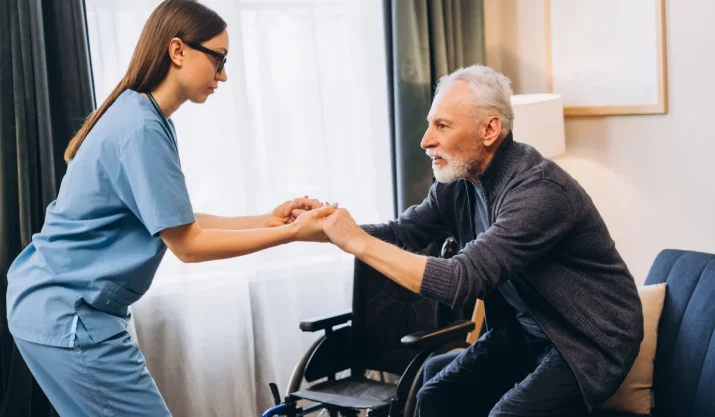
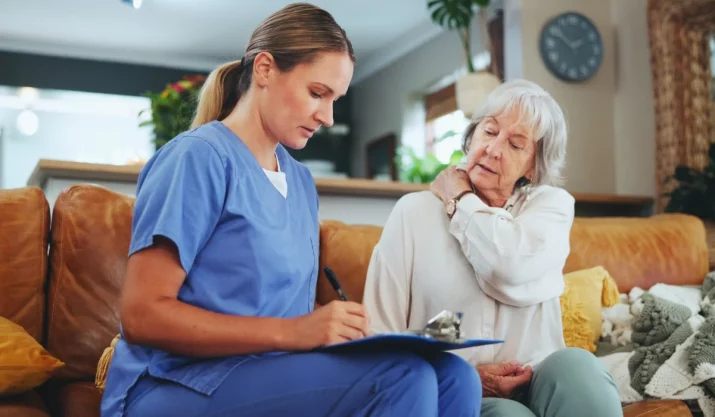
Many aging parents need help with activities of daily living, such as bathing, dressing, cooking, or taking medication. Home care or in-home care can provide support with these tasks.
A care provider may visit for a few hours each week or every day. Some families use home care services for personal care, while family caregivers handle the rest. Respite care can give the main caregiver time to rest. Adult day care can provide supervision and social activities.
Access to Health and Community Resources
Good eldercare also includes support outside the home. Outside support may include health care visits, help from a care provider, and trusted health information.
Many families also contact their area agency on aging. These programs help families find local services, support groups, and government resources. They can also explain Medicare and Medicaid options.
Health insurance and insurance policies can also affect what support is affordable. If your loved one has long-term care insurance, review what it covers.
Home Mobility Risks to Address First
Before you spend money on upgrades, look at the main cause of your loved one’s mobility problems.
Stairs and Entryways
Stairs inside the home matter, but so do entry steps and walkways. Uneven concrete, loose rails, and narrow steps can lead to falls.
Bathrooms
Bathrooms are one of the most common trouble spots. Wet floors, low toilets, and tight spaces can turn small tasks into risky ones.
Simple upgrades can help with home safety:
- Grab bars near the toilet and shower
- Non-slip flooring
- A walk-in shower
- A raised toilet seat
These changes support older adults and reduce caregiver strain.
Poor Lighting and Clutter
Low lighting makes it hard to spot steps, cords, or rugs. Clutter also blocks safe paths. Clear walkways, brighter bulbs, and night lights can greatly improve home safety, which plays an important role in ensuring safety at home for seniors.
A medical alert device is also worth considering. Medical alert systems can help your loved one call for help after a fall.
Mobility Upgrades That Improve Daily Safety
Many homes need a mix of updates. Some are small, while others are larger changes that can function as home mobility solutions for seniors and may help delay a move to assisted living.
Home Lifts and Domestic Lifts
If your loved one lives in a two-story home, access between floors is often the biggest issue. A home lift can keep the full home usable again.
For some elderly parents, a home lift can help them stay in their own home longer by improving access between floors.
Ramps and Entry Solutions
If steps at the front door are hard, ramps or safer entry paths can help. These upgrades also help caregivers move walkers, wheelchairs, or supplies more easily.
Smart Safety Devices
Smart safety tools can support home care and reduce stress for a family caregiver:
- Medical alert systems
- Motion lights
- Door cameras
- Simple phone check-ins
These tools support well-being and reduce worry.
How to Know What Your Parents Need
Does your loved one need a home lift? Looking at daily challenges can help families determine the right time to install a home lift for their parents and plan for changes in mobility needs.
Current Mobility Level
Look at daily patterns:
- Do they hold onto walls or furniture?
- Do they avoid stairs?
- Do they take longer to stand up or sit down?
These signs help you understand parents’ needs and what support they may need.
Medical Conditions
Health conditions can quickly affect safety. Conditions such as alzheimer’s, joint pain, or balance issues can increase fall risk. Talk with health care professionals when possible. Ask which supports may help now and in the future.
Financial Situation
A family’s financial situation affects many care decisions. Compare the cost of home changes with the cost of assisted living, senior living communities, memory care, or a nursing home.
Review:
- Medicare coverage
- Medicaid options
- Long-term care insurance
- Other gov programs
In some situations, staying in one’s own home with support may cost less than moving to assisted living or a nursing home, though costs vary by location and level of care.
Legal and Care Planning
Planning helps families avoid confusion later. Discuss the power of attorney and create a care plan. Decide who will handle appointments, bills, and daily needs. Clear living arrangements help family members stay on the same page.
Schedule a Home Mobility Assessment in California
If your loved one struggles with stairs, bathroom safety, or daily movement, a home review can help.
At California Mobility, we provide home mobility consultations to help families evaluate safer access and mobility solutions. During the consultation, a specialist reviews the home layout, identifies mobility barriers, and discusses practical accessibility solutions. The consultation also covers home lift options and the installation process.
If you’re supporting aging parents at home, contact us today to discuss home lift options and other mobility solutions for safer access.